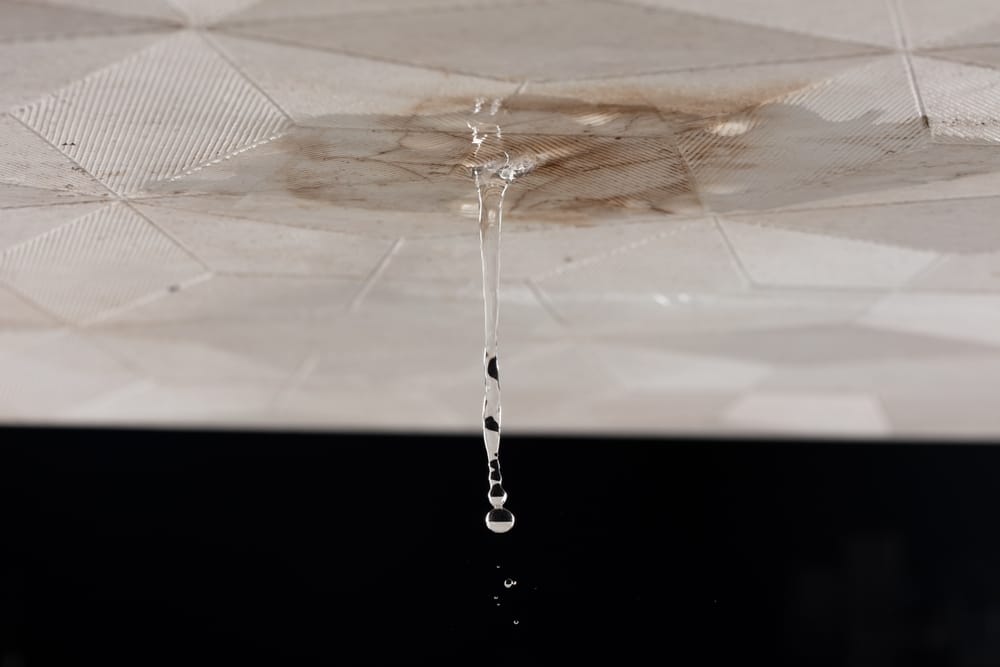
A sudden water leak from your ceiling can turn a calm day into a stressful emergency. Whether it’s caused by a burst pipe, roof damage, or heavy rain, acting quickly can prevent extensive property damage, electrical hazards, and hidden mold growth.
For homeowners in Utah, understanding the proper steps to take—and knowing when to call professionals—can save time, money, and stress. Here’s a comprehensive guide to handling water leaks safely.
Immediate Steps to Take
When water starts dripping from the ceiling, safety and speed are the top priorities. Follow these steps immediately:
Turn Off the Water Supply:
If the leak is from a plumbing issue, locate your home’s main water shutoff valve and stop the flow. This prevents further flooding and limits damage to ceilings, walls, and floors.
Protect Your Belongings:
Move furniture, electronics, and valuables out of the affected area. If you can’t move them, cover items with plastic sheets or waterproof tarps to reduce damage.
Collect Dripping Water:
Use buckets, pans, or containers to catch falling water. This helps minimize floor damage and makes cleanup easier.
Turn Off Electricity if Necessary:
If water is near outlets, light fixtures, or electrical appliances, shut off electricity to that area at the breaker box. Water and electricity are a dangerous combination, and this step reduces the risk of fire or electrocution.
Document the Damage:
Take photos or videos of the affected area. This documentation can be useful for insurance claims and helps restoration professionals assess the situation.
Dangers of Ceiling Water Leaks
Ceiling leaks may appear minor at first, but they can quickly escalate:
- Ceiling Collapse: Wet drywall and plaster become heavy, risking sudden collapse.
- Electrical Fire Risk: Water contacting electrical wiring can cause short circuits or fires.
- Hidden Mold: Moisture trapped above the ceiling can promote mold growth within 24–48 hours, compromising indoor air quality and health.
- Structural Damage: Continuous water exposure can weaken wood beams, insulation, and roofing materials, leading to costly repairs.
Because of these hazards, it’s important to act immediately and know when professional help is necessary.
When to DIY vs. Call Professionals
Some minor leaks can be handled temporarily by homeowners. Examples include:
- Small leaks from ceiling fixtures or minor plumbing drips.
- Temporary water collection using buckets and towels.
- Drying small areas with fans or dehumidifiers.
However, you should call a professional water damage cleanup Salt Lake City team in these situations:
- Large or persistent leaks covering several square feet.
- Leaks near electrical wiring or major appliances.
- Ceiling sagging or water pooling in multiple areas.
- Suspected mold growth or contaminated water (e.g., from sewage).
Professional restoration teams not only extract water but also dry, dehumidify, and treat affected areas to prevent mold and structural damage.
Step-by-Step Emergency Action Plan
Here’s a practical checklist to follow when water leaks through your ceiling:
Ensure Safety: Shut off electricity if necessary and keep family members away from the affected area.
Stop Water Flow: Turn off the main water supply if the leak is from plumbing.
Contain the Water: Place buckets, pans, or towels to catch drips.
Protect Valuables: Move furniture, electronics, and other important items.
Document Damage: Take photos or videos for insurance purposes.
Dry the Area: Use fans or a dehumidifier to reduce moisture if safe to do so.
Call Professionals: Contact a certified water damage cleanup Salt Lake City team for inspection and full restoration.
Following this plan reduces immediate damage and ensures a safer, more efficient cleanup process.
Prevention Tips
Preventing ceiling leaks is easier than repairing them. Here are some steps to protect your home:
- Regular Roof Inspections: Check for damaged shingles, loose flashing, or signs of wear, especially after storms.
- Plumbing Maintenance: Inspect pipes for corrosion, leaks, or signs of aging. Address minor plumbing issues before they escalate.
- Attic Checks: Look for water stains, mold, or damp insulation in the attic. Proper ventilation helps reduce condensation buildup.
- Gutter and Drain Maintenance: Clear leaves and debris to prevent water from backing up onto the roof.
- Install Leak Detectors: Early-warning sensors can alert you to hidden water issues before they reach the ceiling.
Taking preventive steps can minimize the risk of unexpected water damage and costly repairs.
Final Thoughts
A ceiling leak is more than just a nuisance—it’s a potential safety hazard that can lead to structural damage, mold, and electrical risks. Quick action, careful containment, and proper documentation are critical in the first hours of a leak.
When damage is extensive or unsafe to handle, professional intervention is essential. Relying on certified water damage cleanup Salt Lake City experts like Black Diamond Restoration ensures your home is safely restored, moisture is thoroughly eliminated, and long-term problems are prevented.