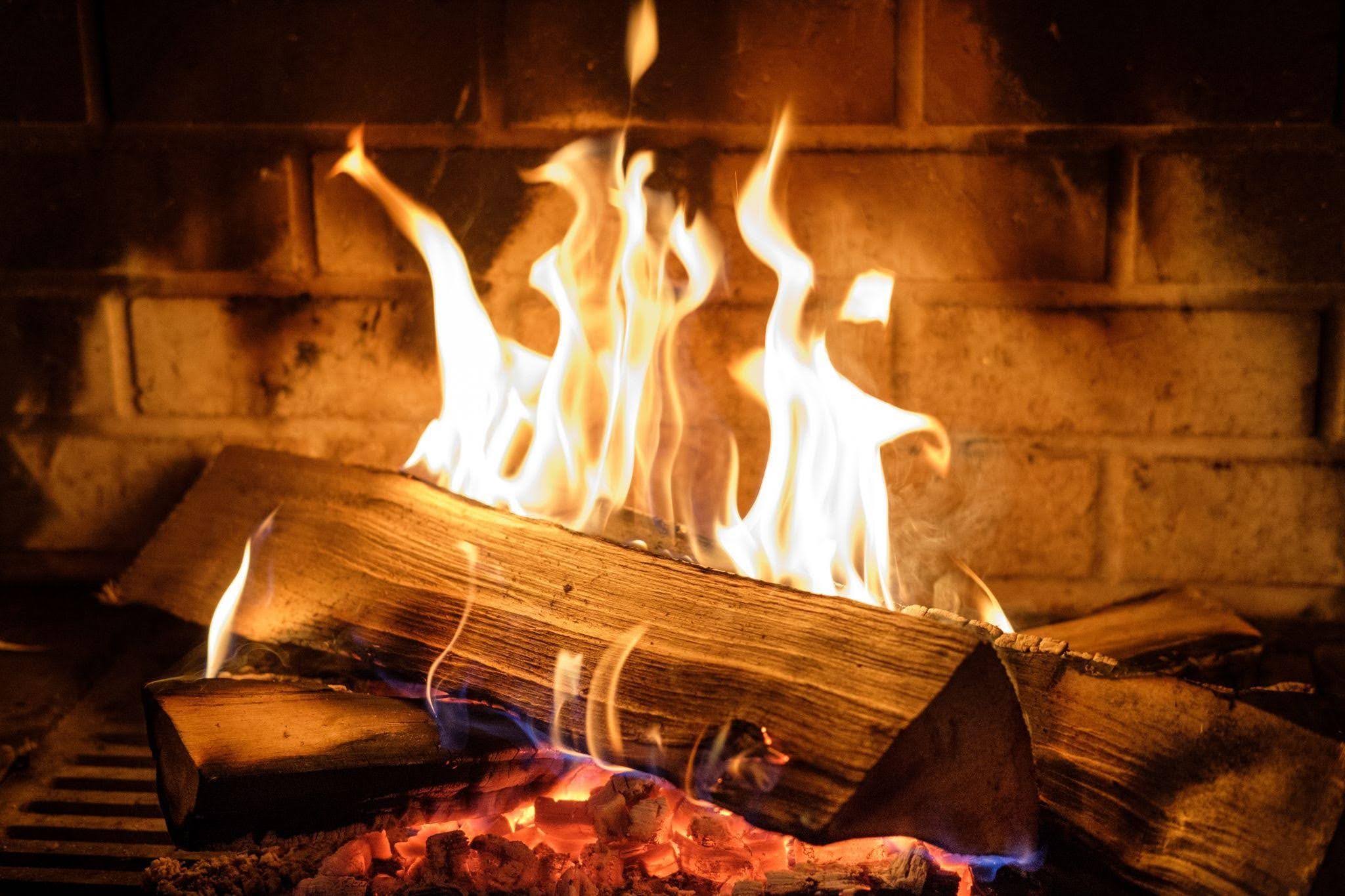
Tips for Safely Using Fireplaces
As temperatures drop along the Wasatch Front, homeowners turn to their fireplaces for warmth and ambiance during the long winter months. But a cozy fire
As temperatures drop along the Wasatch Front, homeowners turn to their fireplaces for warmth and ambiance during the long winter months. But a cozy fire
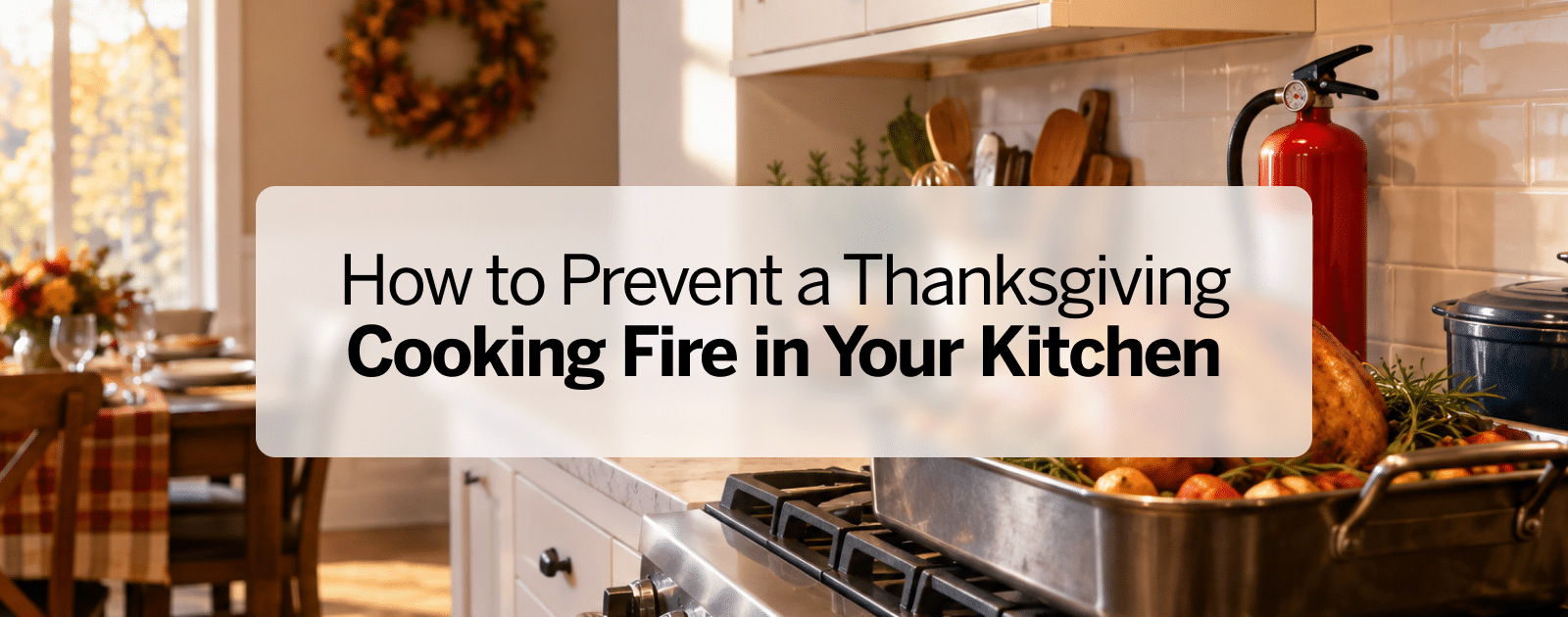
Why Thanksgiving is a high-risk day for cooking fires Unattended cooking is the number one cause of home cooking fires nationwide, and Thanksgiving sees a
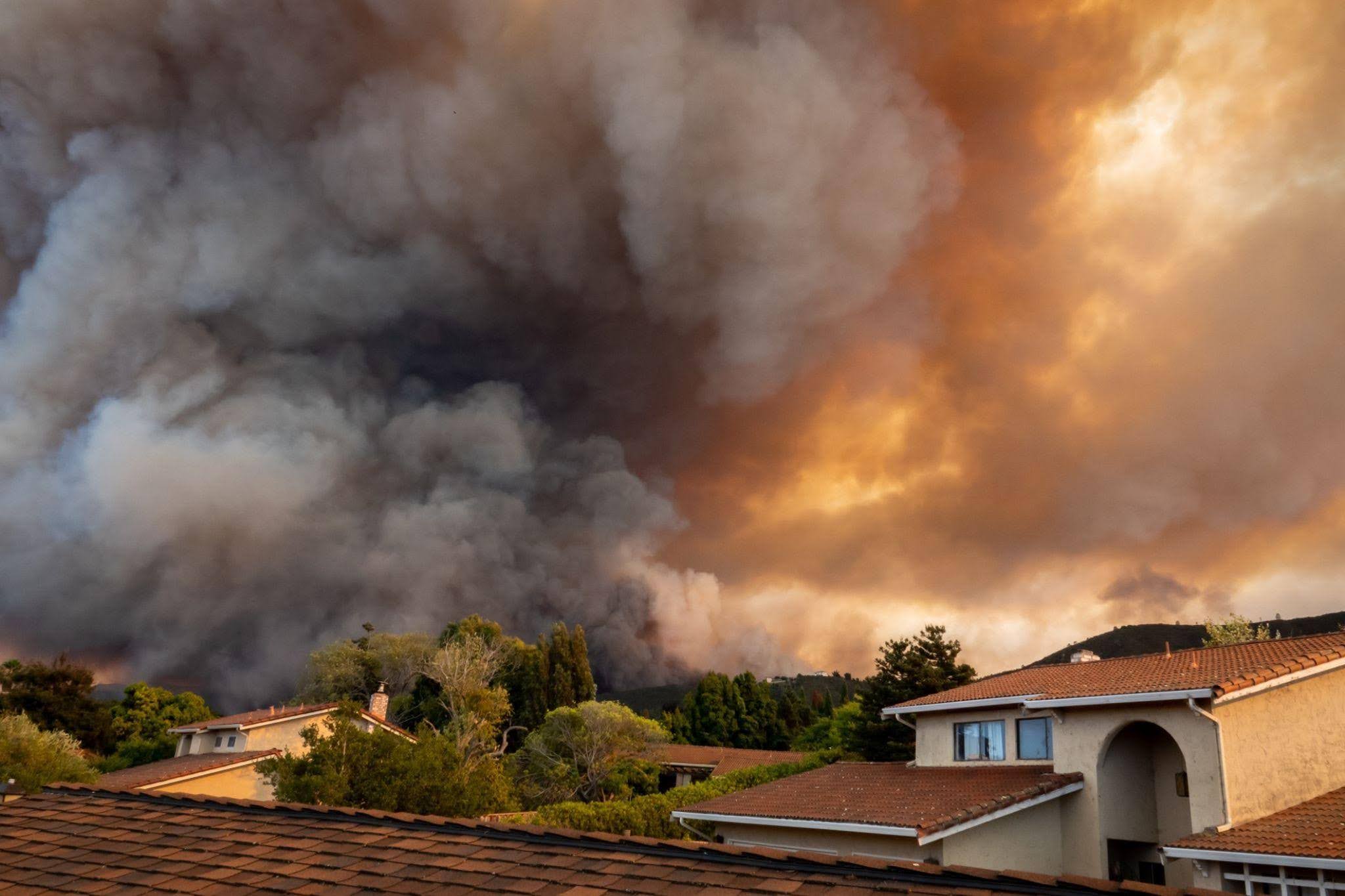
Utah’s wildfire season blankets entire valleys in smoke for days or weeks, and the damage doesn’t end when the flames do. Soot particles settle into
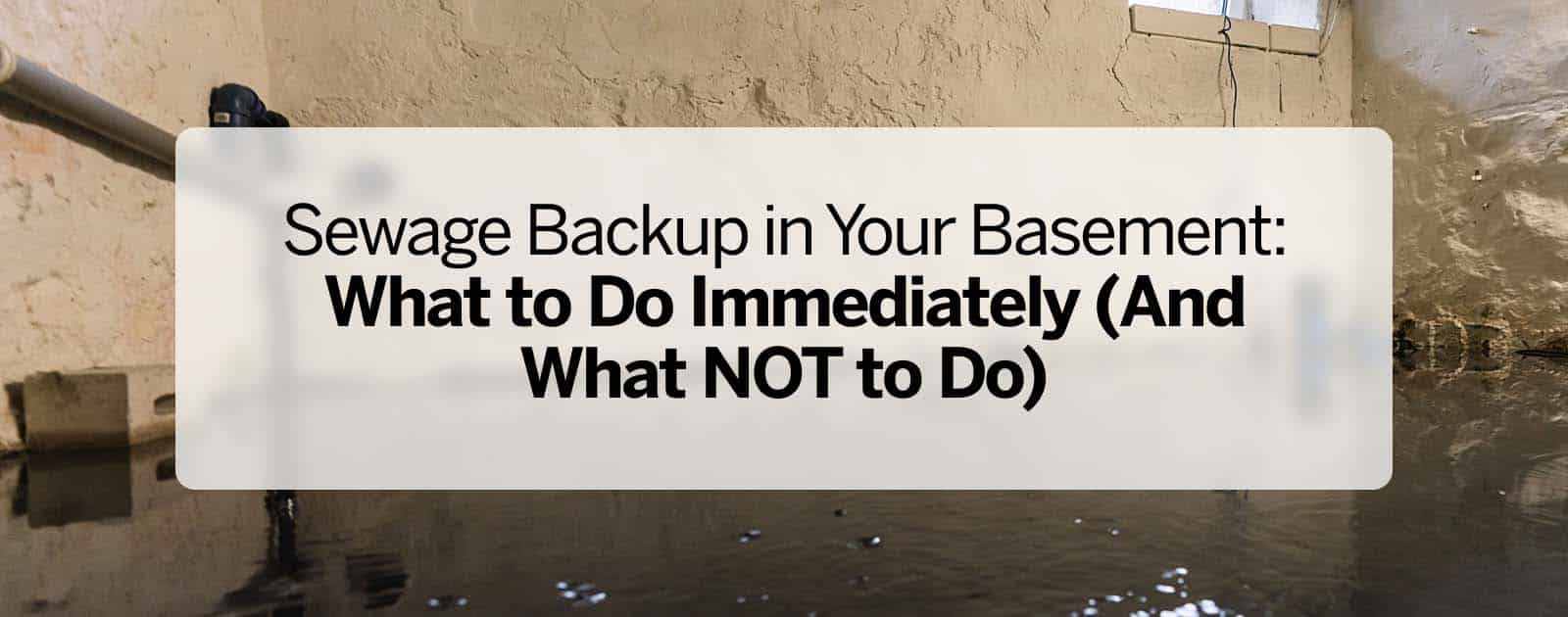
One minute, your basement is dry; the next, you’re standing at the top of the stairs staring at standing water that definitely didn’t come from
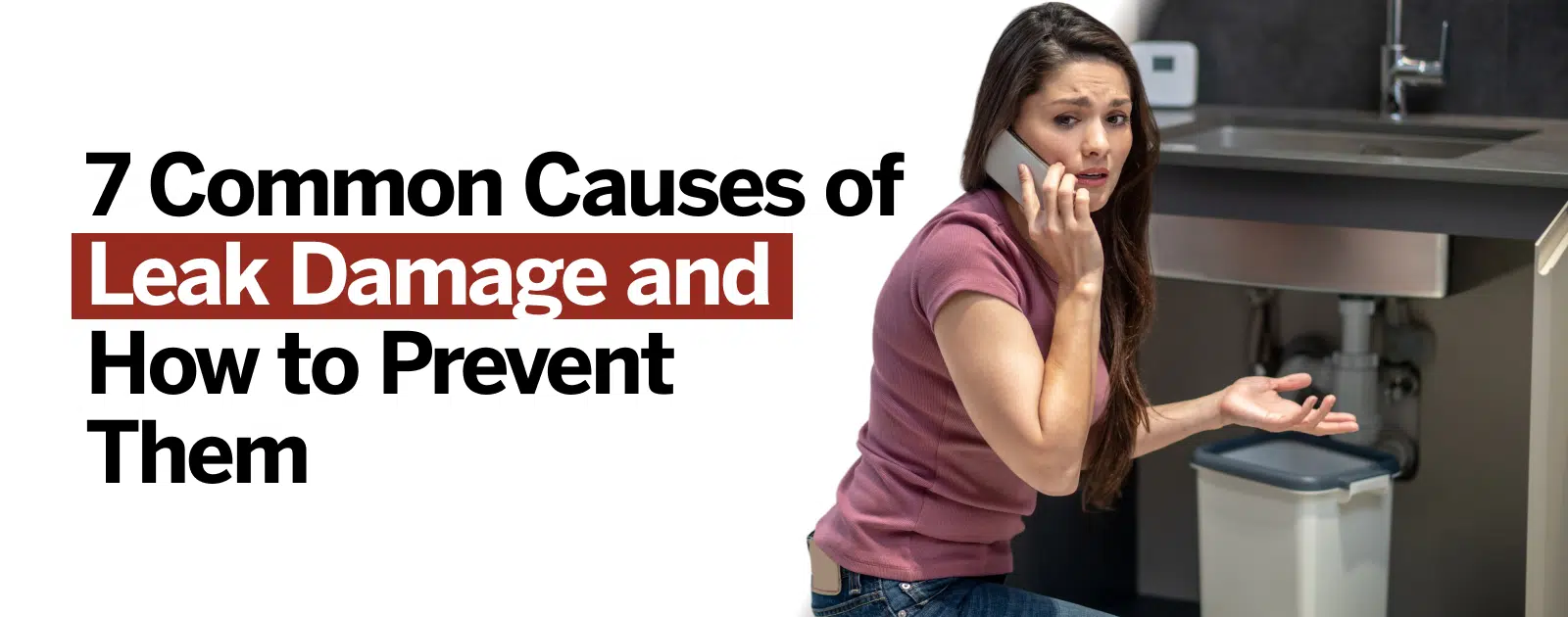
Leak damage most often starts with plumbing failures, aging water heaters, worn appliance hoses, roof and flashing problems, frozen pipes, poor exterior drainage, and failing
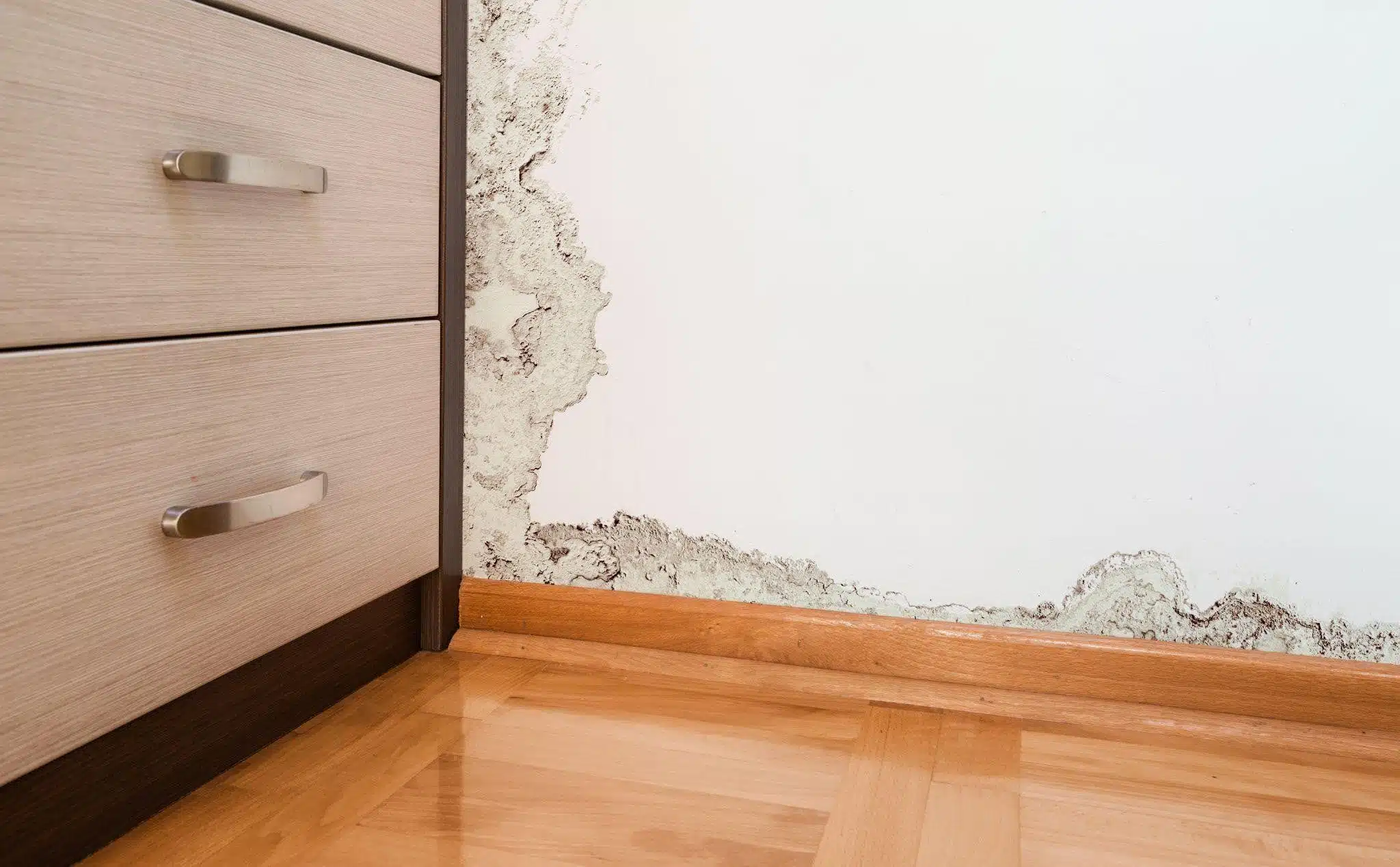
Mold after water damage begins growing within 24–48 hours of moisture exposure. Once spores come into contact with wet materials such as drywall or wood,
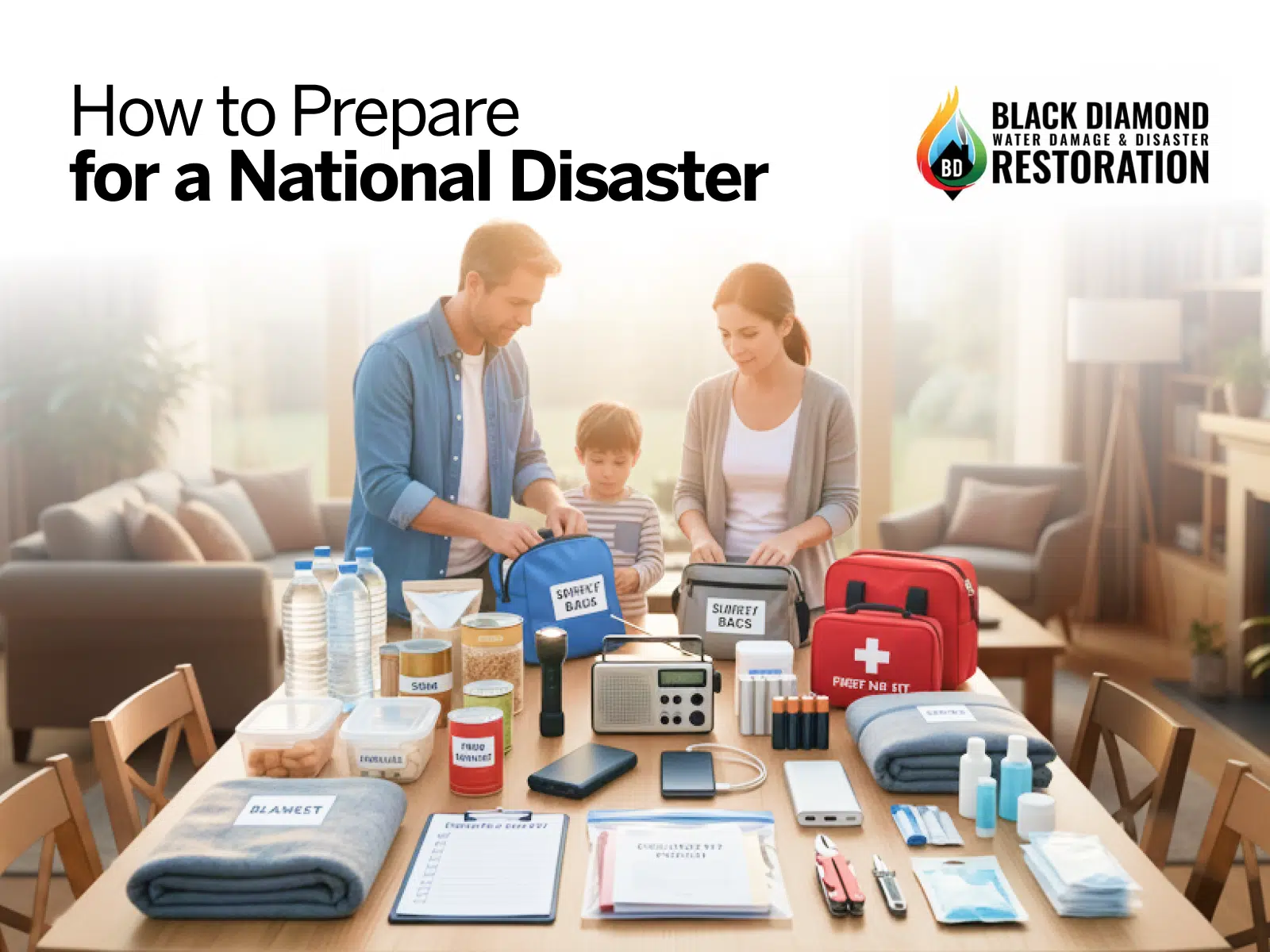
Utah residents face earthquakes, wildfires, flash flooding, and severe winter storms, all of which require specific preparation. Knowing how to prepare for a national disaster
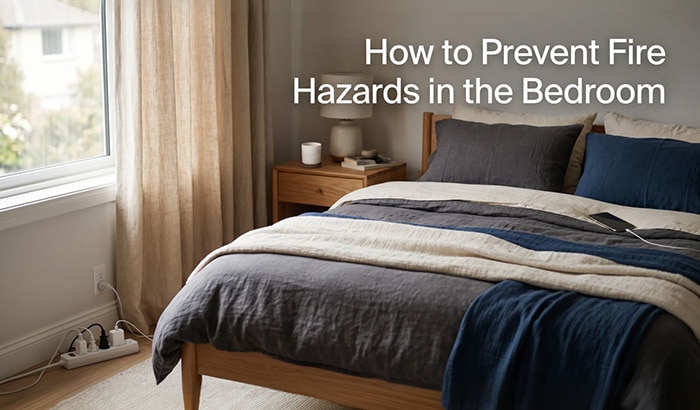
Preventing fire hazards in the bedroom starts with controlling the most common risks: space heaters, candles, overloaded outlets, damaged cords, unsafe charging habits, and missing
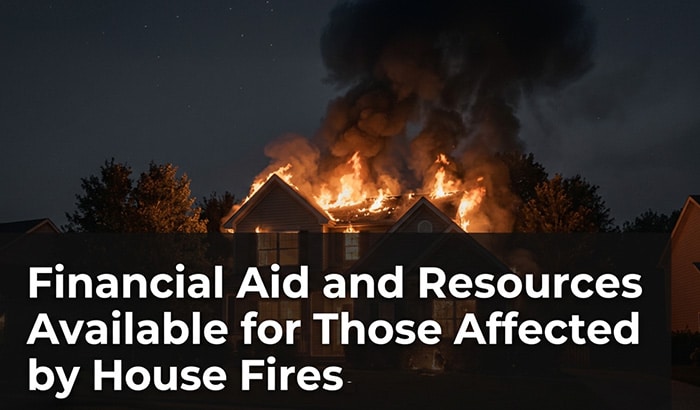
After a house fire, financial help may come from homeowners’ or renters’ insurance, emergency nonprofit support, local 211 programs, FEMA, SBA disaster loans, and tax
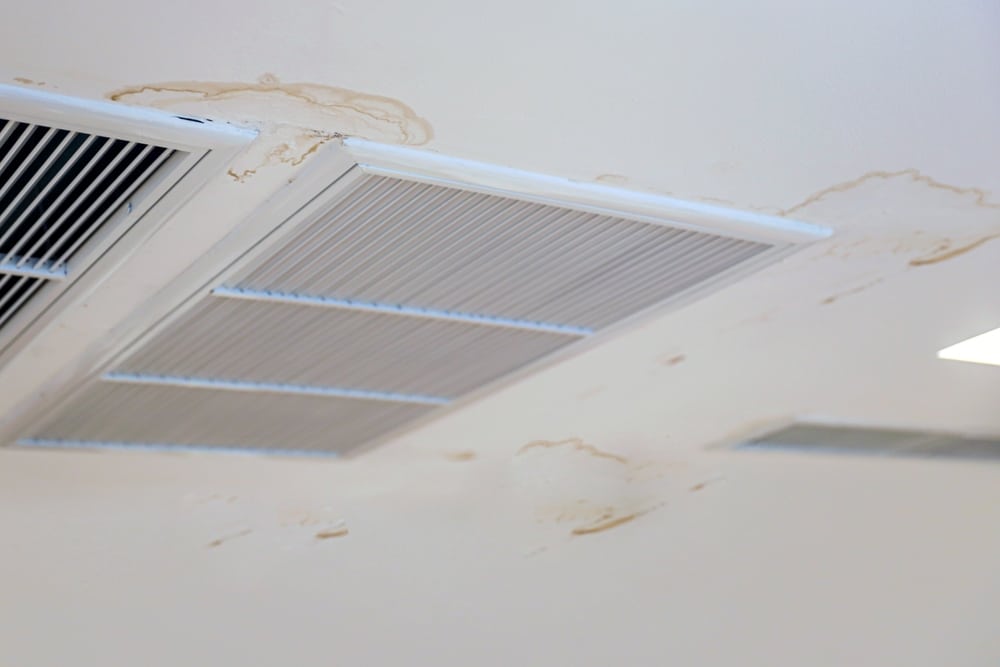
Water damage in a home doesn’t just compromise walls, floors, and ceilings—it can also silently affect your HVAC system. HVAC damage from water leaks can