Water leaks are often seen as minor annoyances—a dripping faucet, a toilet that keeps running, or a bit of condensation near the refrigerator. While these everyday issues may seem harmless, even a small, unnoticed leak can quickly escalate into serious damage. In Utah homes, where sudden plumbing failures can occur, understanding the risks of everyday leaks is crucial for protecting your property.
Common Everyday Leaks
Even minor leaks can cause significant problems if left unchecked. Some of the most common sources include:
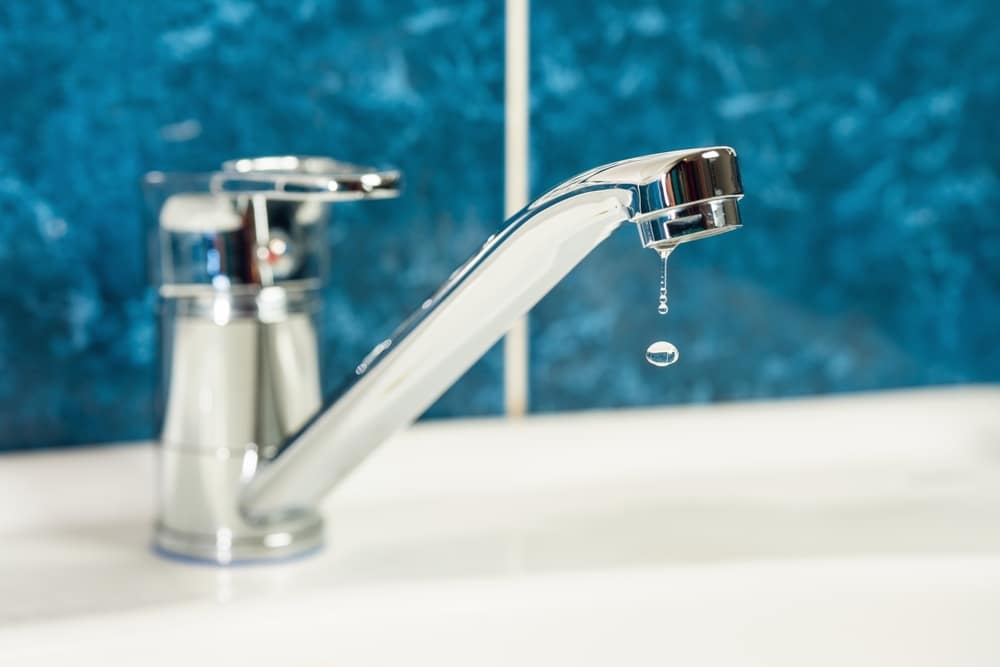
Dripping Faucets: A single faucet dripping a few drops per minute may seem trivial, but over weeks or months, it can waste hundreds of gallons of water and damage cabinetry or flooring.
Running Toilets: Toilets that don’t fully stop filling can leak into the bowl or tank overflow, increasing water bills and promoting hidden moisture damage beneath the flooring.
Pipe Joints and Fittings: Pipes often leak at joints, especially in older plumbing. Small leaks may go unnoticed behind walls or under sinks until they suddenly worsen.
Refrigerator or Washer Leaks: Appliances that use water, like fridges with ice makers or washing machines, can leak from hoses or seals. A hose failure overnight can flood laundry rooms or kitchens in minutes.
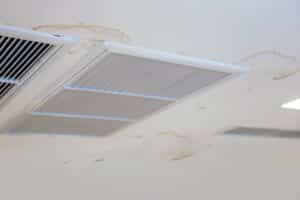
AC Condensation Lines: Air conditioners produce condensation that is usually drained safely, but a clogged or broken line can spill water onto floors, walls, or ceilings.
How Small Leaks Become Major Water Damage
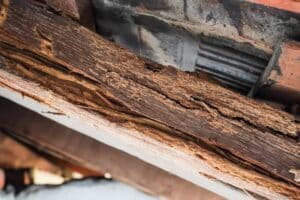
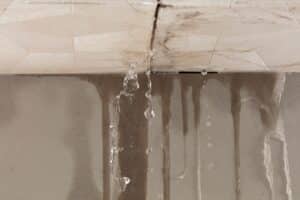
It’s easy to underestimate the danger of everyday leaks. Water can seep into floors, walls, and insulation, silently weakening structural components over time. Even minor leaks can lead to:
- Warped flooring and damaged cabinets
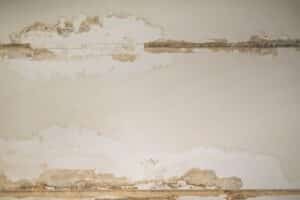
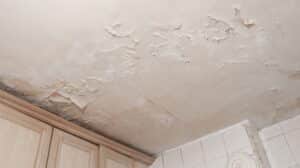
- Ceiling or wall stains
- Mold growth
- Corroded pipes and fittings
- Potential electrical hazards if water reaches outlets or appliances
In some cases, a slow leak can suddenly become catastrophic. For example, a washing machine hose might wear thin over time and burst overnight, flooding the laundry room and spilling into adjacent areas. These situations often require urgent professional intervention to prevent extensive property damage.
Homeowner Checklist for Spotting Hidden Leaks
Proactive homeowners can reduce the risk of major water damage by spotting leaks early. Use this checklist regularly:
- Check faucets and showerheads for drips, corrosion, or pooled water.
- Inspect toilets for running water, loose connections, or moisture around the base.
- Look under sinks and around appliances for puddles or dampness.
- Examine visible pipes for corrosion, condensation, or loose fittings.
- Monitor water bills for unexplained increases, which may indicate a hidden leak.
- Check floors and walls near water sources for discoloration, soft spots, or musty odors.
- Test appliances like washing machines and dishwashers for leaks before and after use.
Regularly following these steps can catch leaks early—before they become emergencies.
Importance of Regular Maintenance and Professional Inspection
Even the most diligent homeowner can miss hidden leaks behind walls, under floors, or in crawl spaces. That’s why professional inspections are vital. Licensed technicians can:
- Use moisture meters and infrared cameras to detect leaks behind walls.
- Evaluate plumbing systems for aging pipes, worn fittings, or potential weak spots.
- Identify water intrusion risks from roofs, gutters, and foundation areas.
- Provide proactive maintenance recommendations to prevent future leaks.
By combining regular homeowner checks with professional inspections, you significantly reduce the risk of sudden, costly water damage.
Real-World Examples
- Washing machine hose failure: A homeowner went to bed after doing laundry, only to wake up to several inches of water flooding the laundry room and entering the hallway. Immediate water extraction prevented further damage, but the flooring still needed repair.
- Dripping ceiling pipe: A minor leak from a pipe joint above the kitchen went unnoticed for weeks. Eventually, the ceiling sagged, the drywall cracked, and mold developed behind the walls.
- Fridge water line leak: A slow leak from an ice maker line saturated the kitchen floor and cabinets for months, leading to warped wood and mildew growth.
These examples highlight how small leaks, if ignored, can escalate quickly into major restoration needs.
Preventive Measures
- Inspect hoses and fittings on appliances annually and replace worn or old hoses.
- Schedule plumbing inspections every 1–2 years to catch potential issues early.
- Maintain gutters and downspouts to prevent water from backing up near foundations.
- Check attic and crawl spaces for moisture accumulation and proper ventilation.
- Install leak detection devices near water sources for early alerts.
Proactive measures combined with professional advice can save thousands in potential water damage repairs.
Final Thoughts
Even small, everyday leaks can suddenly escalate into significant water damage. By staying vigilant, performing regular inspections, and calling professionals when needed, homeowners can prevent minor leaks from turning into major disasters.
If you’re dealing with a current leak or want to safeguard your home from hidden water damage, trust Black Diamond Restoration for expert water damage Salt Lake City services. Their team offers fast response, thorough cleanup, and preventive guidance to protect your property and restore your peace of mind.