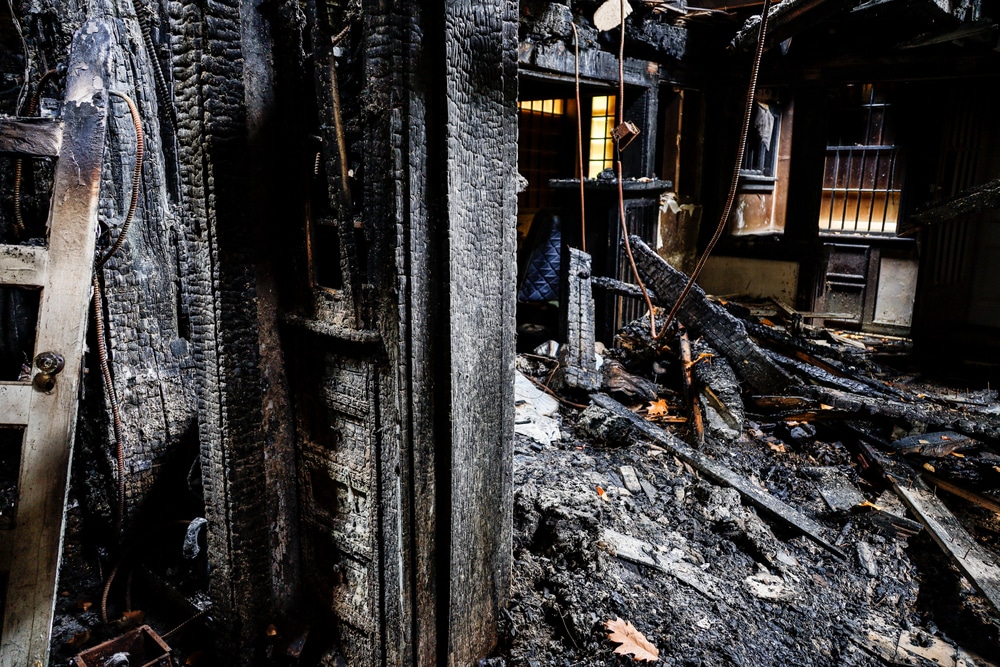
Experiencing a fire in your home or business is overwhelming. Even after the flames are extinguished, the damage left behind, including smoke, soot, water, and structural issues, can make recovery feel daunting. Understanding the fire damage restoration process helps property owners know what to expect and why professional help is essential.
For homeowners and businesses in Utah, working with an experienced restoration provider ensures that safety risks are addressed quickly and that the property is restored properly from start to finish.
Step 1: Initial Assessment and Safety Checks
The fire damage restoration process begins with a comprehensive inspection and safety evaluation. Before any cleanup starts, professionals assess the extent of the damage to ensure the property is safe to enter.
During this phase, technicians evaluate:
- Structural stability of walls, ceilings, and floors
- Fire-damaged electrical systems and wiring
- Smoke and soot penetration throughout the property
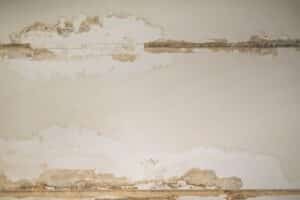
- Water damage caused by firefighting efforts
If the structure is unsafe, emergency stabilization measures, such as boarding up windows or supporting weakened areas, may be implemented immediately. This step protects occupants and prevents further damage while restoration planning begins.
Step 2: Water Extraction and Drying
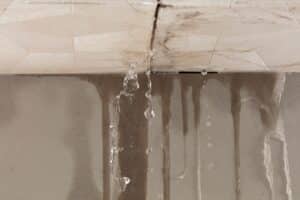
Many property owners are surprised to learn that water damage is often part of fire restoration. Firefighters use large volumes of water to extinguish flames, and that water can soak into floors, walls, and furnishings.
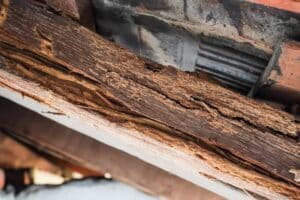
Professional restoration teams remove standing water using high-powered extraction equipment. After extraction, industrial air movers and dehumidifiers are used to thoroughly dry the affected areas. This step is critical because lingering moisture can lead to mold growth, wood rot, and additional structural issues if left untreated.
Prompt drying also helps minimize odors and prevents secondary damage that could complicate the restoration process.
Step 3: Soot and Smoke Removal
Even areas untouched by flames can suffer extensive smoke and soot damage. Smoke particles travel easily through a structure, settling into walls, ceilings, HVAC systems, and personal belongings.
The soot and smoke removal process includes:
- Cleaning surfaces with specialized equipment and cleaning agents
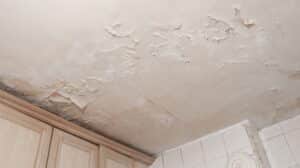
- Removing soot residue from walls, ceilings, and fixtures
- Deodorizing affected areas to eliminate lingering smoke odors
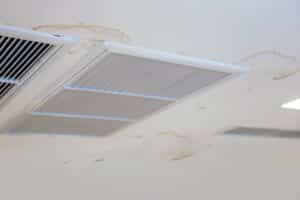
- Cleaning or replacing HVAC filters and ductwork
This step requires professional tools and training, as improper cleaning can spread soot further or permanently stain surfaces. Thorough smoke removal also improves indoor air quality, making the property safe and comfortable again.
Step 4: Structural Repairs and Reconstruction
Once cleaning and drying are complete, the focus shifts to repairing and rebuilding damaged areas. Fire damage restoration isn’t just about cleanup; it’s about restoring the property to its pre-loss condition.
Structural repairs may include:
- Replacing drywall, insulation, and flooring
- Repairing or rebuilding damaged framing
- Painting and finishing restored surfaces
- Reinstalling fixtures and cabinetry
Depending on the severity of the fire, this phase can range from minor repairs to full reconstruction. Having one company manage both cleanup and repairs streamlines communication and ensures consistent quality throughout the process.
Step 5: Final Restoration and Inspection
The final stage involves detailed inspections to confirm that all damage has been addressed. Restoration professionals verify that:
- Moisture levels are within safe ranges
- Smoke odors have been fully eliminated
- Repairs meet safety and quality standards
- The property is clean, stable, and ready for occupancy
At this point, the goal is to return the space to a condition that feels safe, functional, and familiar, helping property owners move forward after a stressful event.
Why Choosing the Right Restoration Company Matters
Fire damage restoration is complex and requires specialized knowledge, equipment, and experience. Working with a trusted company for fire damage in Salt Lake City ensures that every step, from assessment to reconstruction, is handled correctly.
Professional restoration companies coordinate cleanup, drying, repairs, and documentation, often assisting with insurance claims to reduce stress for property owners. Early involvement also helps prevent hidden issues that could surface later, such as mold growth or lingering smoke damage.
Final Thoughts
Fire damage doesn’t end when the flames are out. Smoke residue, water saturation, and structural issues can linger long after the initial event, making professional restoration essential. Knowing what to expect during the fire damage restoration process allows homeowners and business owners to make informed decisions and act quickly.
When you need a reliable company for fire damage in Salt Lake City, Black Diamond Restoration provides comprehensive fire damage restoration services, from emergency response to final repairs. Their experienced team helps restore properties safely, efficiently, and with care, so you can focus on recovery and moving forward.