Utah residents face earthquakes, wildfires, flash flooding, and severe winter storms, all of which require specific preparation. Knowing how to prepare for a national disaster in Utah means securing your home against seismic risk, creating defensible space to protect against wildfires, avoiding floodwaters, and stocking emergency supplies before winter hits. A local disaster cleanup company can help you recover fast when disaster strikes.
Disasters don’t wait for a convenient moment. Whether it’s an earthquake, hurricane, wildfire, or a public health crisis, emergencies arrive fast and leave lasting damage. Knowing how to prepare for a national disaster in advance means the difference between chaos and calm when it counts.
In this guide, you’ll find a step-by-step plan for protecting your family, home, and finances, plus the critical steps to take after disaster strikes.
Keep reading to learn more.
What is national disaster preparedness?
National disaster preparedness is the ongoing process of planning, equipping, and training to help you and your household survive and recover from a large-scale emergency. It covers everything from building a go-bag and establishing communication plans to knowing when to evacuate and how to document property damage for insurance.
After the disaster passes, preparedness also means knowing who to call. A qualified disaster cleanup company assesses structural damage, addresses water intrusion, and restores your property safely. This work goes far beyond what most homeowners can handle on their own.
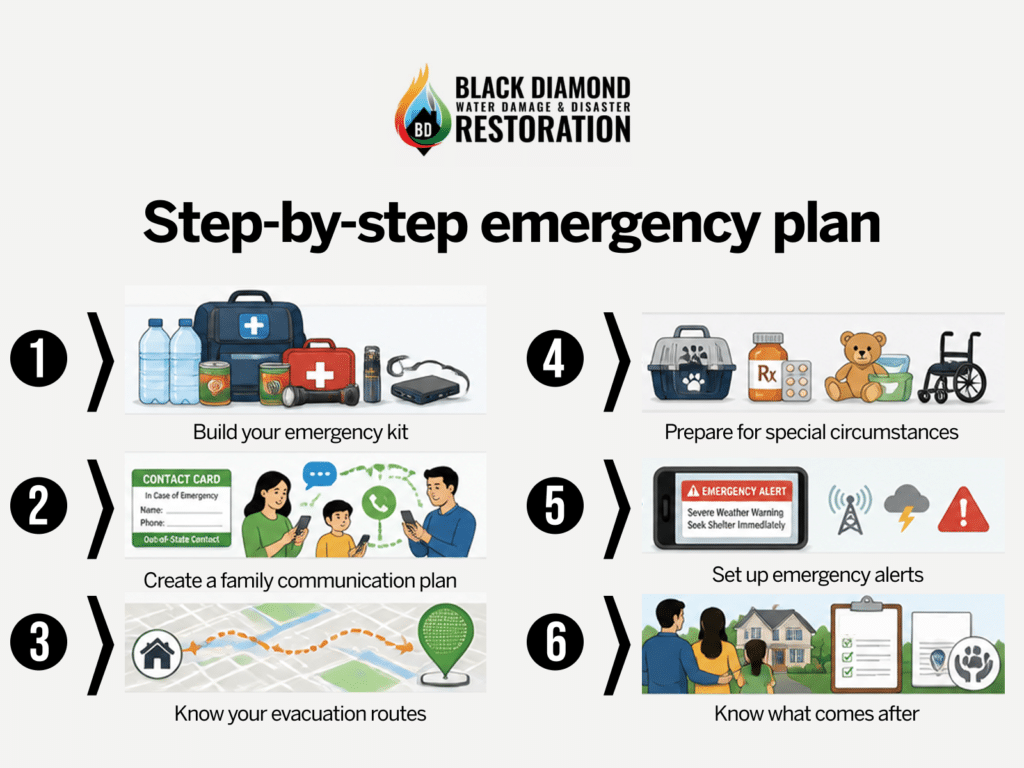
Step-by-step emergency plan
Learning how to prepare for a national disaster is most effective when broken into clear, actionable steps.
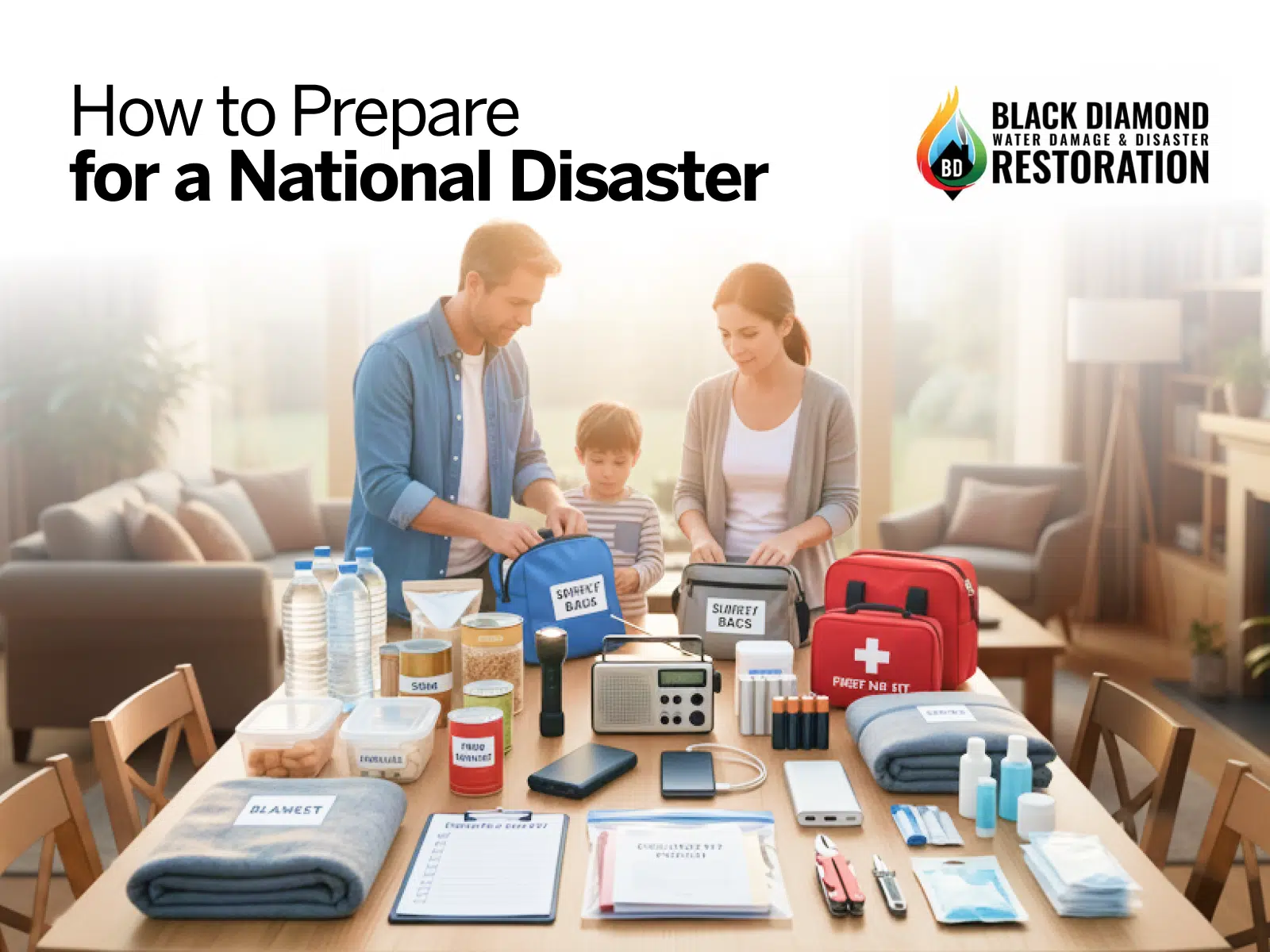
1. Build your emergency kit. Stock at least 72 hours’ worth of supplies: one gallon of water per person per day, non-perishable food, a flashlight, a battery-powered radio, first aid supplies, and copies of essential documents. Aim for a two-week supply if possible.
2. Create a family communication plan. Designate an out-of-state contact everyone can reach, choose two meeting points (one near your home and one farther away), and make sure every household member knows the plan by heart.
3. Know your evacuation routes. Map at least two routes out of your neighborhood. Practice driving them before an emergency so they feel automatic under pressure.
4. Prepare for special circumstances. Account for pets, medications, infants, or family members with disabilities. Each requires additional planning and supplies.
5. Set up emergency alerts. Download the FEMA app for real-time warnings and enable Wireless Emergency Alerts (WEA) on your smartphone. Alerts give you precious extra minutes to act.
6. Know what comes after. Once the immediate danger has passed, your home may still be unsafe. Emergency cleaning services help remove hazardous debris, floodwater, smoke residue, and mold.
Why preparedness matters
Being ready before an emergency is one of the most important investments your household can make for numerous reasons, including:
- Reduces panic and decision fatigue during an active emergency
- Keeps families connected when the communication infrastructure fails
- Protects financial stability through documented preparedness and proper insurance
- Minimizes property damage when emergency cleaning services are contacted quickly after a disaster
- Speeds up recovery, since prepared households have documentation ready for insurance claims
- Protects vulnerable family members, including children, the elderly, and those with medical needs
Common mistakes to avoid
Even well-intentioned people make these preparedness errors:
- Waiting until a disaster is announced to build a kit or make a plan. Supplies sell out fast.
- Assuming cell phones will work during a major disaster when towers are overwhelmed or damaged.
- Not documenting your belongings with photos or video before a disaster for insurance purposes.
- Delaying professional help after a disaster. Water damage and smoke residue worsen within 24–48 hours.
- Skipping the pet plan. Shelters often can’t accommodate animals, and unprepared pet owners face impossible choices.
- Underestimating what emergency cleaning services cover. They handle far more than surface cleanup, including air quality testing and structural drying.
Key stats on disaster impact
- 60% of Americans haven’t practiced a household emergency plan, according to FEMA.
- Water damage that goes unaddressed for 48 hours has a 90% chance of developing mold.
- Households that contact a disaster cleanup company within 24 hours of flooding reduce total restoration costs.
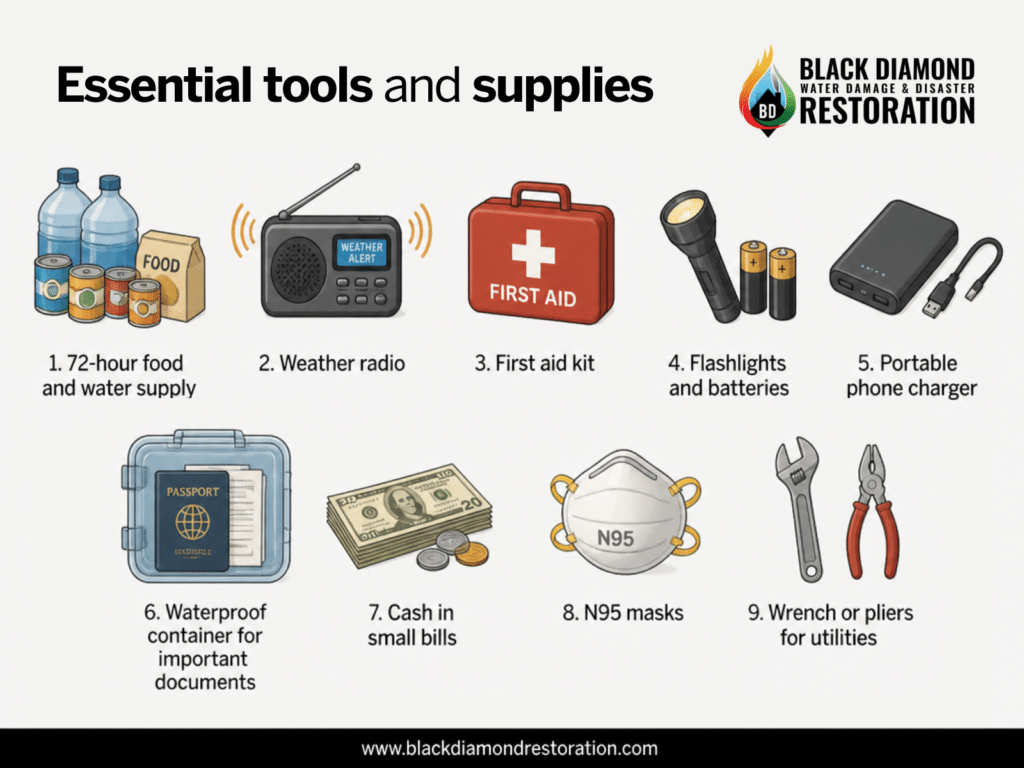
Essential tools and supplies
- 72-hour emergency food and water supply (minimum)
- Battery-powered or hand-crank weather radio
- First aid kit with a 30-day medication supply
- Flashlights and extra batteries
- Portable phone charger and backup battery bank
- Waterproof container for important documents
- Cash in small bills
- Dust masks rated N95 or higher
- Wrench or pliers to shut off utilities
- Contact information for a trusted local disaster cleanup company
FAQ
Q: How often should I update my emergency kit?
Check and refresh your emergency kit every six months. Rotate food and water, replace expired medications, and update documents as needed.
Q: What qualifies as emergency cleaning services?
Emergency cleaning services include water extraction, structural drying, smoke and soot removal, mold remediation, and debris removal following a disaster. These services are typically available 24/7 from certified restoration companies.
Q: When should I call a disaster cleanup company?
Contact a disaster cleanup company as soon as it’s safe to access your property, ideally within the first 24 hours. Early intervention prevents secondary damage, such as mold growth and structural deterioration.
Q: Does homeowner’s insurance cover emergency cleaning after a disaster?
Many policies do cover emergency cleaning services for covered events. Document all damage thoroughly with photos before any cleanup begins, and contact your insurer immediately.
What Utah residents need to know about disaster preparedness
Utah faces distinct and serious natural hazards that every resident should plan for. From the Wasatch Front’s seismic risk to the wildfire corridors of the south, knowing your local threats is as important as having a general emergency kit.
Earthquakes along the Wasatch Front
The Wasatch Fault runs beneath Salt Lake City, Provo, Ogden, and the communities between them. Geologists estimate a magnitude 6.5 or greater earthquake is likely within the next 50 years, and the 5.7-magnitude quake of March 2020 was a reminder that the threat is real.
Secure heavy furniture to wall studs, store emergency water, keep shoes near your bed, and know how to shut off your gas line.
Wildfires
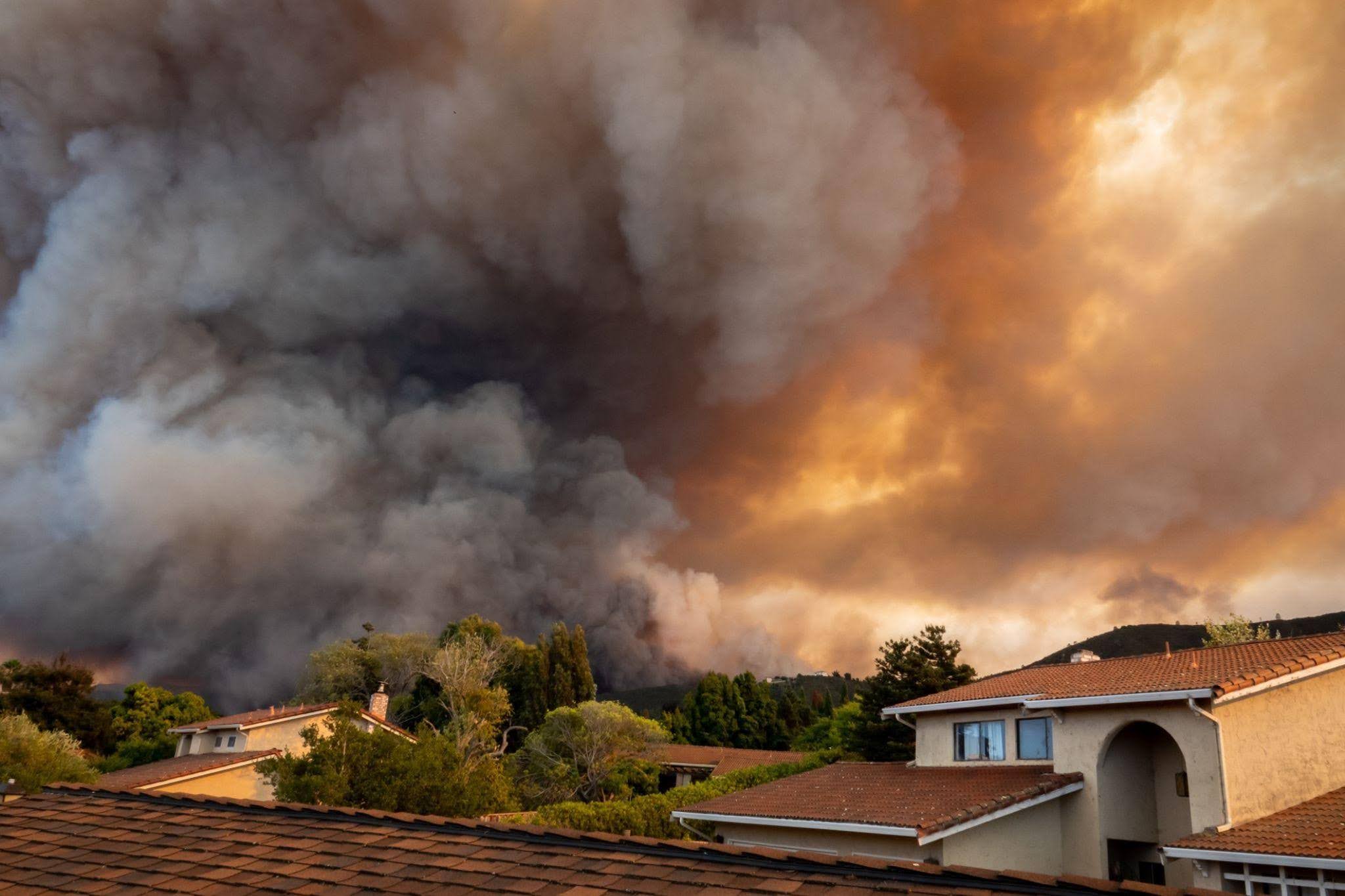
Utah County, Washington County, and the Wasatch Back all face serious wildland-urban interface risk. Clear at least 30 feet of defensible space around your home, pack a go-bag, and don’t wait for a mandatory evacuation order if conditions look dangerous.
Flash flooding and snowmelt
Elevation changes make flash flooding a real risk in canyon communities and areas downstream from heavy snowpack. Never drive through floodwater.
Extreme cold and winter storms
Northern Utah winters can knock out power for days and make roads impassable. Keep an emergency kit in your vehicle, plan for heating your home without electricity (and know the carbon monoxide risks of doing it wrong), and store at least a week’s worth of food and water.
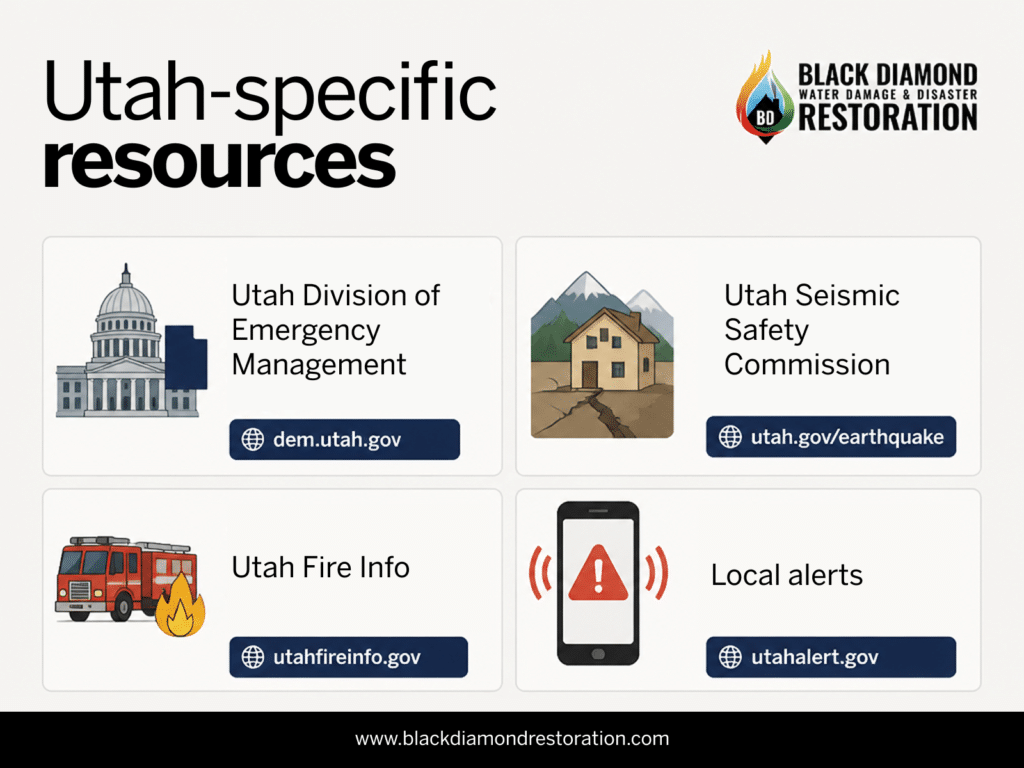
Utah-specific resources
- Utah Division of Emergency Management: dem.utah.gov
- Utah Seismic Safety Commission: utah.gov/earthquake
- Utah Fire Info: utahfireinfo.gov
- Local alerts: utahalert.gov
Utah’s geography makes it one of the more hazard-diverse states in the country. A plan that accounts for all of these risks gives your family the best chance of staying safe no matter what comes.
Black Diamond Restoration is here to help
Learning how to prepare for a national disaster is one of the most practical things you can do for your family. Build your kit, make your plan, and know your resources, including who to call when the emergency is over.
If your home sustains damage, don’t wait. Reach out to Black Diamond Restoration quickly. Our emergency cleaning services are available 24/7 to help you recover safely and efficiently.
Call Black Diamond Restoration at (801) 784-0922 or contact us through our website to learn more.