A space heater hums in the corner while the wood stove crackles, and that cozy glow is exactly when fire risk climbs. Heating equipment is a leading cause of home fires, and those fires peak between December and February. The good news is that most are preventable.
This guide covers the main causes of winter home fires. It provides a step-by-step prevention plan, common mistakes, and local considerations for Utahns. It explains when professional fire damage cleanup becomes necessary if a fire starts. Whether you rent an apartment or own an older home, these steps protect your family and property.
What causes home fires in winter?
Fire risk rises in winter because families rely on heat sources that carry real danger. NFPA data show that space heaters and heating stoves were involved in 29% of home heating equipment fires. Fireplaces, chimneys, central heating systems, and water heaters also contribute.
These fires cluster in the coldest months, so a safety check in October or November pays off. Other common cold-weather hazards include:
- Candles
- Holiday lights and decorations
- Dry Christmas trees
- Portable generators
- Cooking left unattended
- Dryers with clogged vents
NFPA reports that heating equipment placed too close to upholstered furniture, clothing, mattresses, or bedding is a leading factor in fatal home heating fires.
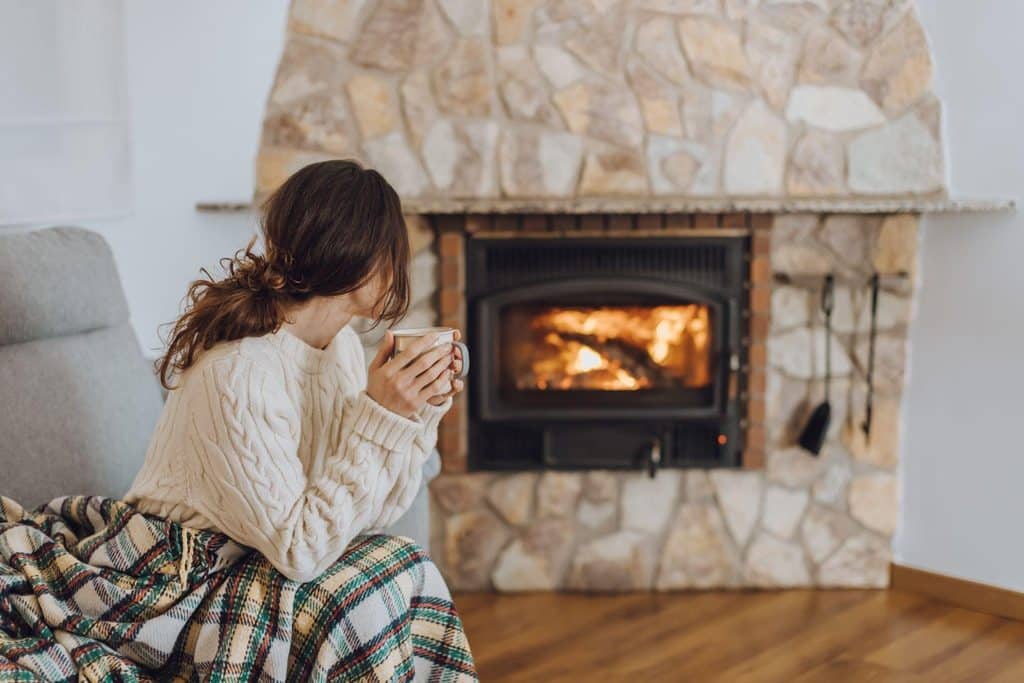
Step-by-step fire prevention guide
- Give space heaters room. Keep them at least three feet from curtains, bedding, upholstery, and wood furniture. Turn them off when you leave the room or go to sleep, and keep children and pets out of that zone.
- Plug heaters into the wall. Power strips and extension cords can overheat under a heater’s load. Plug heaters directly into an outlet and keep other devices off that outlet.
- Choose safer heaters. Look for automatic shutoff if the unit tips over.
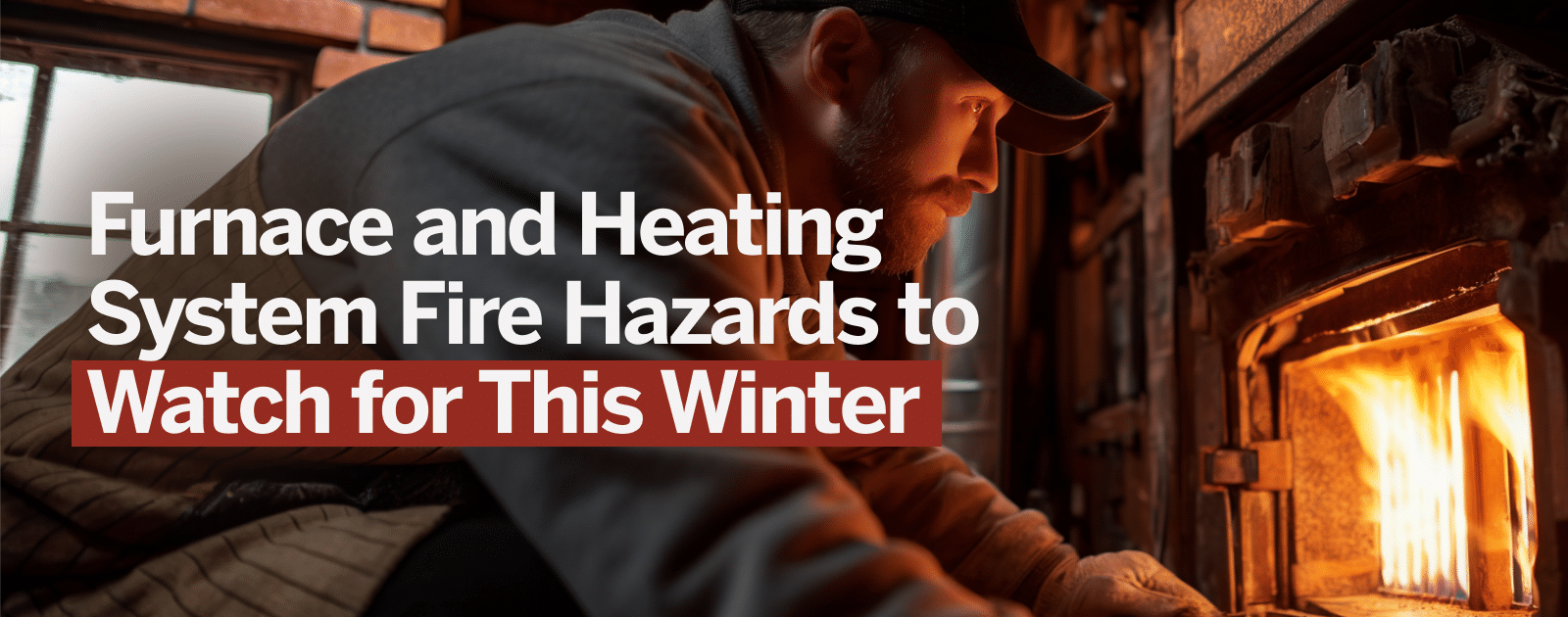
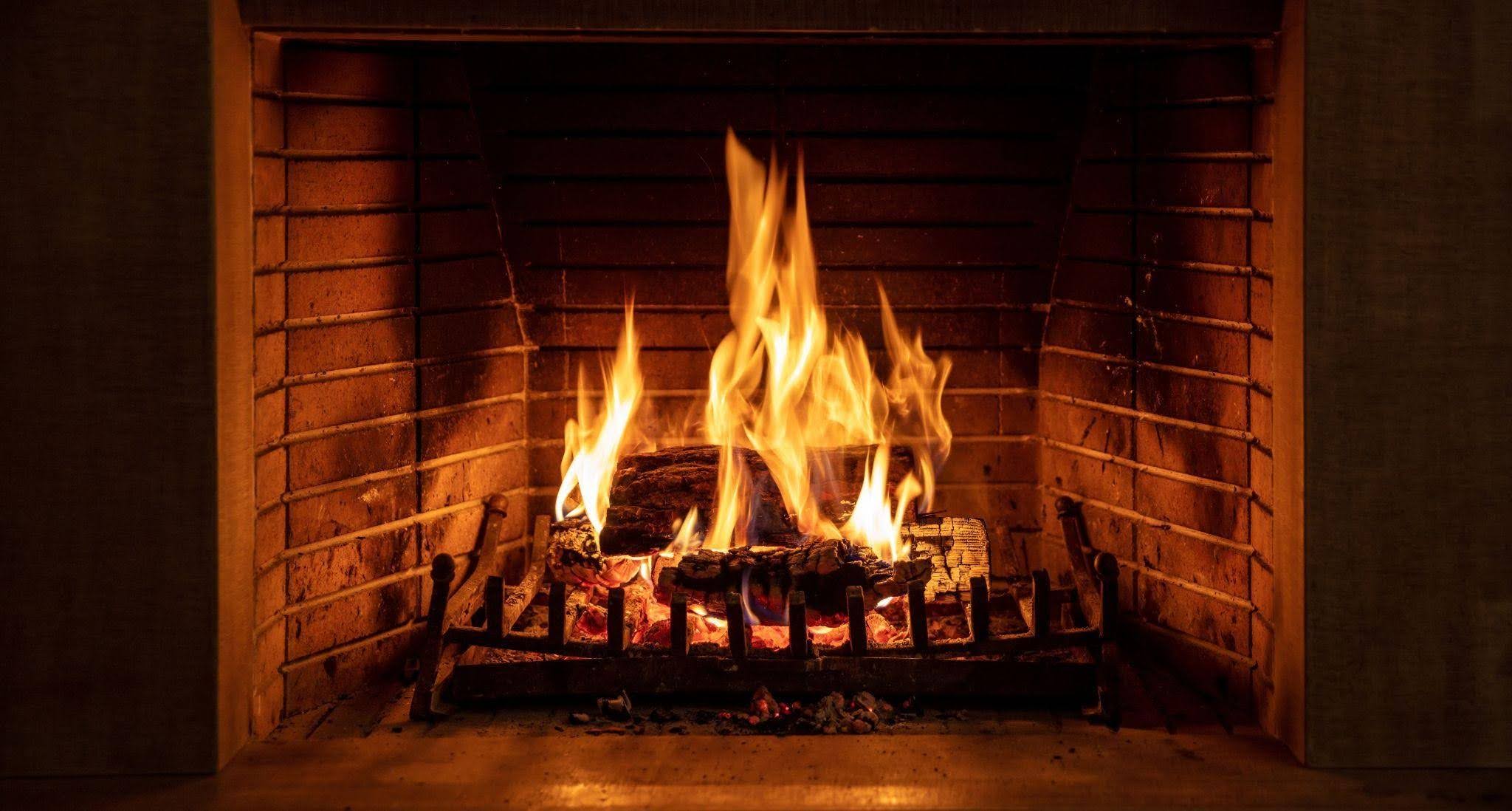
- Maintain fireplaces and chimneys. Schedule a yearly inspection and cleaning. Keep stove doors closed and use a sturdy screen. Read our tips for safely using fireplaces and our guide to furnace and heating system fire hazards.
- Clean dryer vents annually. Have the vent and duct cleaned each year to remove trapped lint, a hidden fire hazard.
- Manage candles and lights. Keep candles 12 inches from anything flammable and never leave them burning unattended. Turn holiday lights off when you sleep or leave.
- Stay in the kitchen. Never leave a burner unattended, and keep dish towels, sleeves, paper, and oven mitts away from heat.
- Test alarms monthly. Place smoke alarms in every bedroom and common area, and keep a fire extinguisher near the kitchen.
Precautions for Utah homes
Power strip overload: The Utah State Fire Marshal’s office has warned residents that power strips cannot handle the power draw of a space heater, which can cause overheating.
Older heaters: In January 2020, an older-model space heater started a basement fire in a Layton home, according to Deseret News. The residents suffered minor injuries.
Seasonal chimney use: Unified Fire Authority, Utah’s largest fire agency, has said that winter fires increase in urban Salt Lake County because people only use chimneys seasonally. Its spokesman blamed improper maintenance for nearly all of those fires.
After a fire: Even a small fire leaves soot and smoke odor that spread beyond the burned room, so cleanup should start quickly. Waiting allows residue to settle into walls and belongings.
Why fire prevention matters
- Protects your family from injury and loss
- Prevents costly property damage and long repairs
- Reduces the chance you will need fire damage restoration
- Limits smoke, soot, and water damage throughout the home
- Keeps heating equipment working safely and efficiently
- Gives you peace of mind during cold snaps
Common mistakes to avoid
- Plugging space heaters into power strips or extension cords
- Leaving heaters running overnight or while away
- Skipping the annual chimney inspection
- Placing heaters on carpet or near bedding
- Using the oven to heat your home
- Plugging several heat-producing appliances into one outlet
- Leaving candles or cooking unattended
Fire safety data
NFPA annual averages for U.S. home heating equipment fires, 2019–2023, as reported by ANSI:
- 38,881 fires per year
- 432 civilian deaths and 1,352 injuries per year
- $1.1 billion in direct property damage per year
- 29 percent of fires involved space heaters and heating stoves
Most of these fires are preventable with the habits above.
Recommended safety products
- Space heater with tip-over and overheat shutoff
- Smoke and carbon monoxide alarms
- Fireplace screen
- Metal ash container with a lid
- ABC fire extinguisher for the kitchen
- Dryer vent cleaning kit
FAQ
How often should I have my chimney inspected?
Have a qualified professional inspect and clean your chimney every year before heating season begins. Fire officials link most winter chimney fires to poor maintenance, and cracks or buildup can go unnoticed until a fire starts. Annual service catches problems early.
Is it safe to leave a space heater on overnight?
No. Turn portable heaters off when you leave the room or go to sleep. Keep them three feet from anything that can burn and plug them directly into a wall outlet. Choose a model that shuts off automatically if it tips over.
What does fire damage cleanup involve?
Fire damage cleanup removes soot and smoke residue and treats lingering odors. It often includes water extraction when firefighting leaves moisture behind. Professionals also assess which belongings and surfaces can be salvaged. Calling a professional soon after a fire helps limit staining and corrosion.
What is fire damage restoration?
Fire damage restoration repairs and rebuilds a home after a fire. It covers cleanup, structural drying, odor removal, and reconstruction of damaged areas. A licensed restoration company coordinates the work from start to finish so your home returns to a safe, livable condition.
How winter home fires affect Utah residents
Utah’s cold snaps increase the risk of winter home fires, and the State Fire Marshal’s office has urged careful use of space heaters. In Salt Lake County, chimneys see only seasonal use, so inspections before the first freeze matter.
Schedule chimney and heating system checks in early fall, ahead of the first cold weather. Review heater placement before the first cold snap arrives. Whether you live along the Wasatch Front or in a mountain town, your local fire department can answer questions about heater rules and inspections.
Call Black Diamond Restoration today
A fire is overwhelming; you shouldn’t have to face the aftermath alone. When it happens, turn to Black Diamond Water Damage & Disaster Restoration for fire damage restoration you can trust.
Our licensed and certified team brings more than twenty years of disaster restoration experience to every job, and we pride ourselves on fast, friendly service. We’re based in Murray and serve Salt Lake City and the surrounding communities, with help available 24/7 because fires don’t keep business hours. If water, mold, or smoke damage follows the fire, we handle that too.
Contact us today to get started. The sooner we arrive, the sooner your home gets back to normal.