As temperatures drop along the Wasatch Front, homeowners turn to their fireplaces for warmth and ambiance during the long winter months. But a cozy fire can quickly become dangerous without the right precautions. Fireplace safety protects your family from smoke inhalation and the costly cleanup that follows when something goes wrong.
Today’s blog covers the top safety tips for using your fireplace safely, so you stay as safe as possible this winter season. We also cover how to know if you need fire damage restoration.
Keep reading to learn more.
Why winter hearth safety matters more in Utah
Utah’s high-elevation climate and dry winter air create conditions in which wood burns faster and sparks travel farther than in more humid regions. Many homes along the Wasatch Front, particularly in older neighborhoods in Salt Lake City and Sandy, still have original masonry chimneys that were built decades before current fire codes existed.
Combined with the winter inversion season, when many households rely on supplemental heat sources to reduce furnace use, fireplaces along the Wasatch Front see heavier use than in most other parts of the country. That extra use makes seasonal maintenance and fire safety even more important before the first cold snap hits.
Essential fireplace safety practices
Before you light your first fire of the season, run through this checklist to ensure safety around fire:
- Schedule a professional chimney sweep. A certified technician will remove creosote buildup and clear obstructions, such as bird or rodent nests, before they become a fire hazard.
- Inspect your chimney cap. Repair or replace a damaged cap, and have a wire-mesh cap installed if your chimney doesn’t already have one.
- Keep a fire extinguisher within reach. Never use the fireplace unless someone is in the room.
- Confirm the damper is open using a flashlight or mirror before starting a fire.
- Install interconnected smoke and carbon monoxide alarms on every level of the home, including the basement, and outside each sleeping area.
- Supervise children and pets whenever a fire is burning, and never leave a fire unattended overnight or while you’re away.
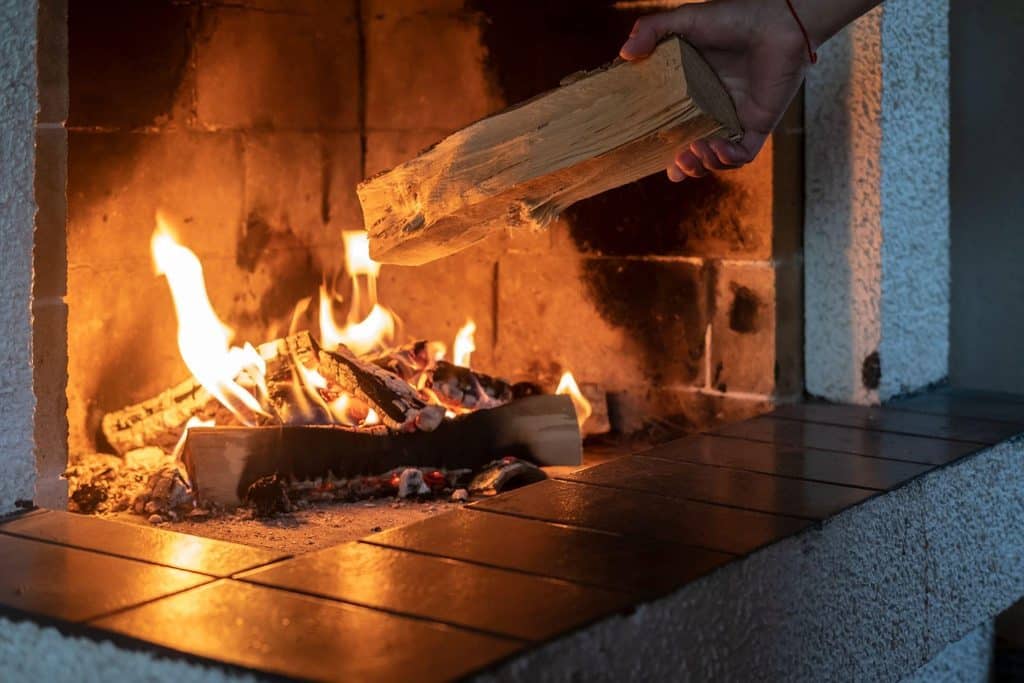
- Burn only dry, seasoned wood cut to the appropriate size for your fireplace.
- Clear flammable items, including furniture, blankets, holiday decor, and stacked firewood, several feet from the hearth.
- Use a glass or metal mesh screen to contain popping embers.
- Skip flammable liquids. Use crumpled paper and kindling to start the fire instead.
- Avoid overloading the fireplace with too many logs at once.
- Let ashes cool completely before removing them, then store them in a tightly sealed metal container at least 10 feet from your home.
Safety around fire doesn’t stop at the hearth
A well-maintained hearth is part of a broader approach to fire safety throughout the home. Space heaters, candles, and holiday lighting all add fire risk during the same winter months, and they deserve the same level of caution as your fireplace.
Keep portable heaters at least three feet from anything that could burn. Blow out candles before leaving a room. Check holiday light cords for fraying before plugging them in. A single household habit, like double-checking the damper or unplugging a heater before bed, can prevent the kind of incident that leads to a costly cleanup.
Frequently asked questions
Q: How often should I have my chimney inspected?
Most fire safety experts recommend a professional chimney inspection once a year, ideally before your first fire of the season. Homes with a wood-burning fireplace used regularly through Utah’s colder months may benefit from a mid-season check as well.
Q: What’s the leading cause of home fireplace fires?
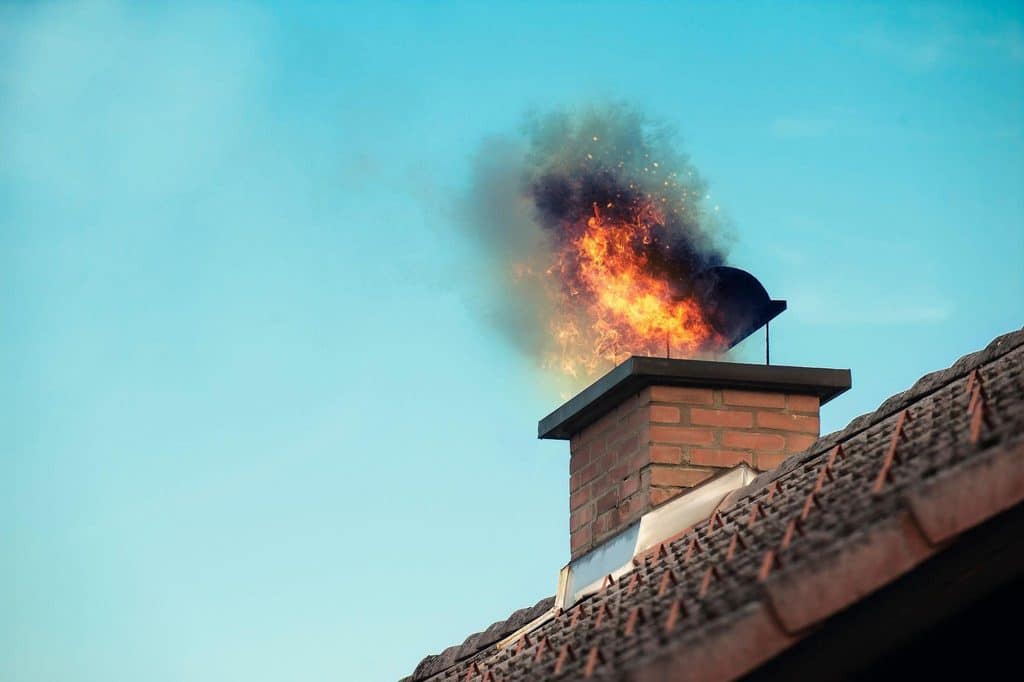
Creosote buildup inside the chimney is the most common cause of chimney fires, since it’s highly flammable and accumulates with each burn. Regular sweeping removes this buildup before it becomes dangerous.
Q: Is it safe to burn wood if my chimney doesn’t have a cap?
We don’t recommend it. A chimney without a cap allows debris, animals, and moisture to enter, all of which increase fire risk and could block the airflow needed for safe burning.
Q: What should I do immediately after a fireplace-related fire?
Once everyone is safely out and the fire department has cleared the home, avoid touching soot-covered surfaces and contact a restoration professional promptly to prevent smoke odor from setting into porous materials.
Q: Is a gas fireplace insert safer than a wood-burning fireplace?
Gas inserts eliminate creosote buildup and reduce the risk of stray embers, making them a lower-maintenance option for many homeowners. They still require annual inspection, since gas lines and venting components can develop leaks or blockages over time.
Q: How should I dispose of fireplace ashes safely?
Wait at least 24 hours after a fire before removing ashes, since embers stay hot far longer than they appear. Place the ashes in a metal container with a tight lid and store the container outdoors, away from the house, deck, or anything flammable.
Q: Can I use my fireplace during a red flag warning or air quality alert?
It’s best to avoid burning wood during a red-flag warning or a winter inversion air-quality alert. Utah’s Division of Air Quality regularly issues no-burn advisories along the Wasatch Front, and burning during one of these can add fine particulates to already poor air quality and increase the risk of outdoor fires in dry, windy conditions.
Q: How can I tell if my chimney has dangerous creosote buildup?
A thick, dark, tar-like coating on the interior of the chimney walls or the flue liner is a sign of significant creosote accumulation. A strong sooty odor, especially in humid weather, and any visible flaking inside the firebox are also warning signs that it’s time for a professional sweep rather than a DIY fix.
Get fire damage restoration help from Black Diamond
Even the most cautious homeowner can experience a fireplace accident. If your Utah home has suffered smoke or fire damage, Black Diamond Restoration is available 24/7 with decades of combined restoration experience.
Our technicians handle everything from soot removal to full structural repair, restoring your home quickly and thoroughly. Contact us today for emergency fire damage restoration service across Salt Lake City, Layton, Provo, Orem, and the surrounding Wasatch Front communities.