Water is one of the most destructive forces a home can encounter. Beyond damaging floors, walls, and personal belongings, water exposure poses serious risks to your home’s electrical system. Even small leaks or minor flooding can lead to corrosion, short circuits, and potentially life-threatening hazards if not addressed immediately.
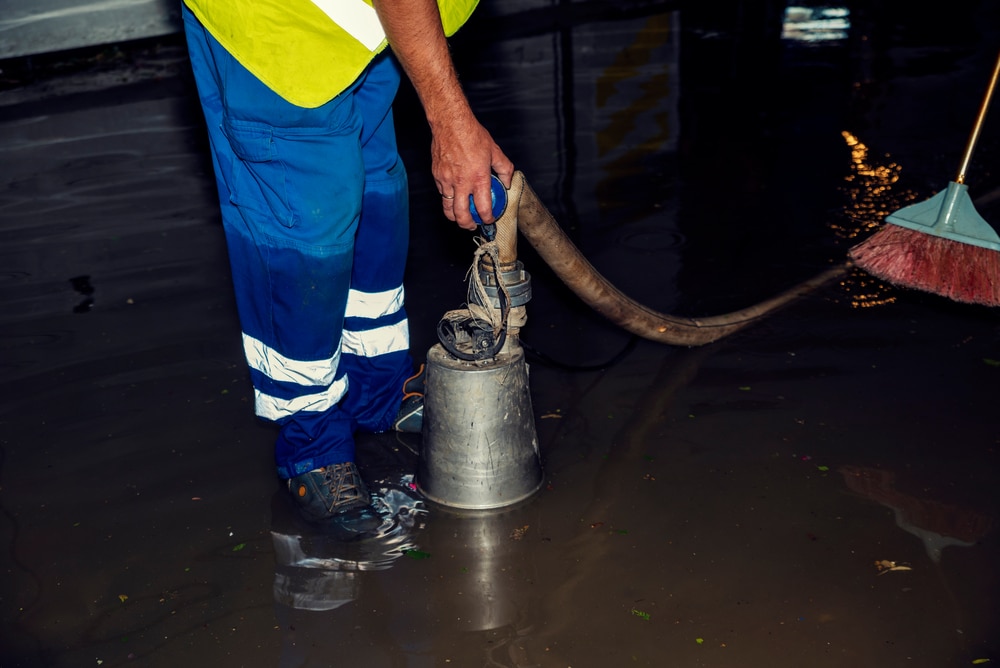
For homeowners in Utah, quick action is critical. Professional emergency water removal Salt Lake City services ensure that water is extracted safely and electrical systems are inspected and restored before problems escalate.
How Moisture Damages Wiring and Panels
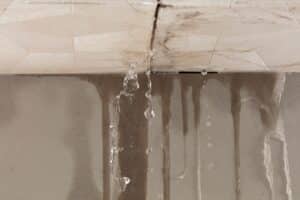
Electrical systems are designed to operate in dry conditions. When water infiltrates walls, ceilings, or floors, moisture can come into contact with wiring, outlets, circuit breakers, and electrical panels. Over time, this exposure causes:
- Corrosion of wires and connectors: Water accelerates rust and oxidation on copper or aluminum wiring, weakening connections and reducing conductivity.
- Damaged electrical panels: Circuit breakers and distribution boards can short-circuit, fail, or become unsafe when exposed to moisture.
- Insulation deterioration: Moisture can compromise the protective coating around wires, increasing the risk of shorts or exposed wiring.
These types of damage can be hidden behind walls or ceilings, making professional inspection essential even if visible water appears minimal.
Risk of Electrocution and Fire Hazards
Water and electricity are a dangerous combination. Even a small amount of standing water in a basement or near outlets can create a high risk of electrocution. Homeowners attempting DIY cleanup without shutting off power risk serious injury.
Additionally, moisture in wiring and panels can lead to short circuits, which may cause sparks, overheating, or fires. Electrical fires resulting from water damage are often hidden initially, smoldering behind walls before spreading to visible areas.
Signs of Electrical Damage After Water Exposure
After water intrusion, it’s crucial to watch for warning signs that your home’s electrical system may have been compromised:
- Tripped breakers or blown fuses: Repeated tripping may indicate water-damaged circuits.
- Flickering or dimming lights: Moisture in wiring can interrupt electrical flow.
- Burning or metallic odors: These may indicate overheating or short-circuiting components.
- Buzzing or crackling sounds: Moisture in outlets or panels can create electrical arcing.
- Hot outlets or switches: A warning sign that a circuit is overloaded or compromised.
If any of these symptoms appear, avoid using affected circuits and call a professional immediately.
Why Professional Inspection Is Essential
Electrical damage from water is often hidden and requires specialized knowledge to detect. Certified technicians follow strict safety protocols and use advanced equipment to:
- Test and inspect wiring behind walls and ceilings
- Dry and treat electrical panels to prevent corrosion
- Replace damaged outlets, switches, or wiring safely
- Ensure circuits are functioning correctly before restoring power
Attempting to restore electricity on your own after water damage can worsen the problem and put lives at risk. Professional inspection ensures your home is safe to occupy.
Emergency Action Steps for Homeowners
If you experience water intrusion affecting areas near electrical systems, follow these steps:
- Turn off electricity: If safe to do so, switch off the main breaker before entering wet areas.
- Avoid standing water: Keep children, pets, and adults away from water that could be in contact with electrical outlets or appliances.
- Document the damage: Take photos or videos for insurance purposes before cleanup.
- Call professionals immediately: Contact a certified emergency water damage restoration team to extract water and assess electrical systems.
- Do not attempt DIY repairs: Only licensed electricians should handle wiring or panel restoration after water exposure.
Following these steps helps prevent electrocution, fire, and long-term electrical issues.
Prevention Tips for Electrical Safety
Even minor leaks can be dangerous, so preventive measures are key:
- Inspect plumbing regularly: Check for leaks near outlets, basements, and appliances.
- Install GFCI outlets: Ground Fault Circuit Interrupters reduce the risk of electrocution in wet areas.
- Elevate electrical panels in basements or crawl spaces: Avoid placing panels at floor level where flooding may occur.
- Use moisture detectors: Early alerts allow quick response before water reaches electrical systems.
- Schedule professional inspections: Annual checks can identify vulnerable wiring or panels before water damage occurs.
Prevention combined with professional response ensures both your home and family remain safe from water-related electrical hazards.
Final Thoughts
Water damage isn’t just a cosmetic or structural issue; it’s a significant threat to your home’s electrical system. Corroded wiring, damaged panels, and moisture intrusion can lead to electrocution or fire if not addressed promptly.
For homeowners in Utah, the safest approach is to rely on certified emergency water removal Salt Lake City specialists who can extract water, dry the property, and inspect electrical systems thoroughly. Black Diamond Restoration provides fast, professional water damage response to keep your home safe, prevent further damage, and restore your property efficiently.