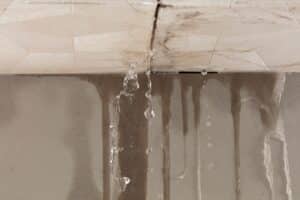
Water damage in a home doesn’t just compromise walls, floors, and ceilings—it can also silently affect your HVAC system. HVAC damage from water leaks can reduce efficiency, degrade indoor air quality, and lead to costly repairs or replacements. Even minor leaks or condensation can infiltrate ductwork and components, creating a pathway for mold and other contaminants to circulate throughout your home.
Professional Water Damage Restoration services address not only structural damage but also the health and performance risks posed to HVAC systems after water intrusion.
How Moisture Damages HVAC Components
HVAC systems contain metal ducts, coils, electrical wiring, and insulation. When water comes into contact with these components:
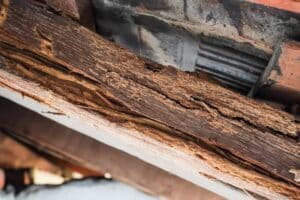
- Ducts can corrode or rust: Metal ducts exposed to moisture weaken, develop leaks, or lose structural integrity.
- Electrical components can short-circuit: Water can damage wiring, circuit boards, and connections, posing fire and operational hazards.
- Insulation can become saturated: Wet insulation loses its effectiveness and can harbor mold or bacteria.
Even small leaks from roofs, plumbing, or HVAC condensate lines can have long-term consequences if not addressed quickly.
Mold Spread Through Airflow
One of the most concerning risks of water-damaged HVAC systems is mold growth. Moisture within ducts or around system components provides an ideal environment for mold spores. Once established, mold can:
- Spread throughout the home via airflow, affecting multiple rooms
- Trigger allergies, asthma attacks, and other respiratory problems
- Contaminate surfaces and personal belongings through circulated spores
Prompt detection and treatment are critical. Professional restoration teams often inspect and clean ducts, replace affected insulation, and remediate mold to prevent secondary infestations and health issues.
Reduced Efficiency and Increased Energy Costs
Water intrusion can also compromise the efficiency of your HVAC system:
- Moisture can clog or damage coils, reducing heat transfer efficiency
- Saturated insulation or corroded components force the system to work harder to maintain temperature
- Airflow restrictions caused by damp or moldy ducts reduce overall system performance
These inefficiencies can lead to higher energy bills and additional wear on the system, potentially shortening its lifespan.
Signs of Water Damage in HVAC Systems
Homeowners should watch for early warning signs, including:
- Musty or moldy odors coming from vents
- Increased energy bills or inconsistent heating/cooling
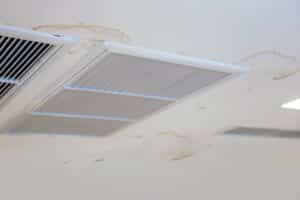
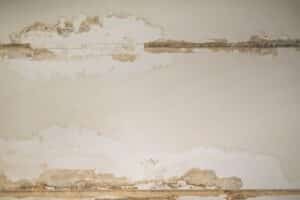
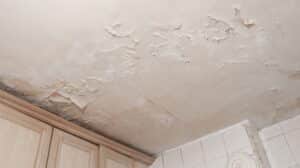
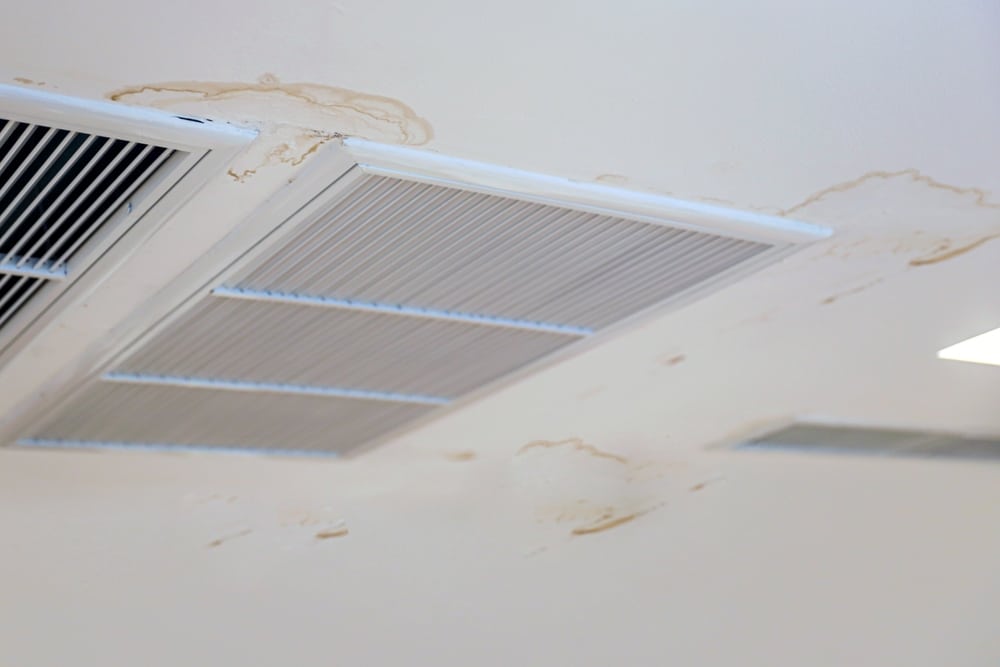
- Visible rust, corrosion, or water stains near ductwork or units
- Frequent system breakdowns or unusual noises
If any of these signs appear, contacting certified Water Damage Restoration professionals is essential to prevent further deterioration.
Increased Repair or Replacement Needs
If water damage is left untreated, HVAC repair costs can escalate quickly. Some common consequences include:
- Replacement of corroded metal duct sections
- Cleaning or replacing mold-contaminated duct insulation
- Replacing damaged electrical components or control systems
- Full system replacement in severe cases
Early intervention prevents these scenarios and restores safe, efficient operation.
Preventive Steps for Homeowners
Preventing water damage to HVAC systems reduces both repair costs and health risks. Homeowners can:
- Inspect for roof leaks or plumbing issues near HVAC components
- Ensure proper drainage of condensate lines and install overflow protection
- Regularly schedule HVAC inspections and maintenance
- Use dehumidifiers in damp areas like basements or crawl spaces
Combining preventive measures with fast professional restoration ensures long-term system performance and healthy indoor air quality.
Final Thoughts
HVAC systems are essential to comfort, health, and energy efficiency. Water intrusion, even minor, can degrade ducts, damage components, promote mold growth, and increase repair or replacement costs. Acting quickly to remove water, dry affected areas, and remediate mold is essential to maintaining a safe and efficient home.
For homeowners in Utah, relying on certified Water Damage Restoration experts like Black Diamond Restoration ensures comprehensive mitigation. Their team addresses both structural and HVAC water damage, restores system performance, and protects your home from secondary problems caused by untreated moisture.