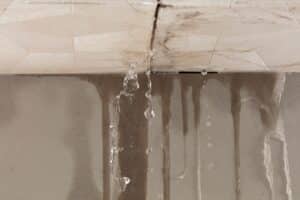
Water damage isn’t just a threat to your walls, floors, and belongings—it can also invite unwanted guests. Pests attracted to water damage are naturally drawn to moisture, and homes with untreated leaks or floods often become ideal environments for insects and rodents. Understanding this connection can help homeowners act quickly to protect both their property and health.
Professional Water Damage Restoration services not only repair structural and cosmetic damage but also help prevent pest infestations by eliminating damp conditions that attract them.
How Moisture Attracts Insects and Rodents
Pests thrive in damp environments. Standing water, leaks, and high humidity provide insects and rodents with the hydration they need to survive. Common pests attracted to water-damaged areas include:
- Cockroaches: Prefer moist, dark areas like behind cabinets or under sinks.
- Termites: Moist wood softens and becomes a perfect food source.
- Rodents: Mice and rats seek out water sources and shelter from dry, exposed areas.
- Ants and Silverfish: Often found in humid basements, bathrooms, and crawl spaces.
Even minor leaks can create ideal conditions for these pests. The longer water damage is left untreated, the higher the risk of infestations.
Damp Wood as Nesting Material
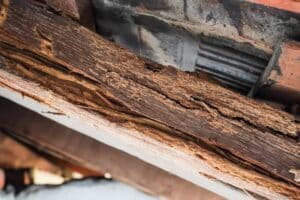
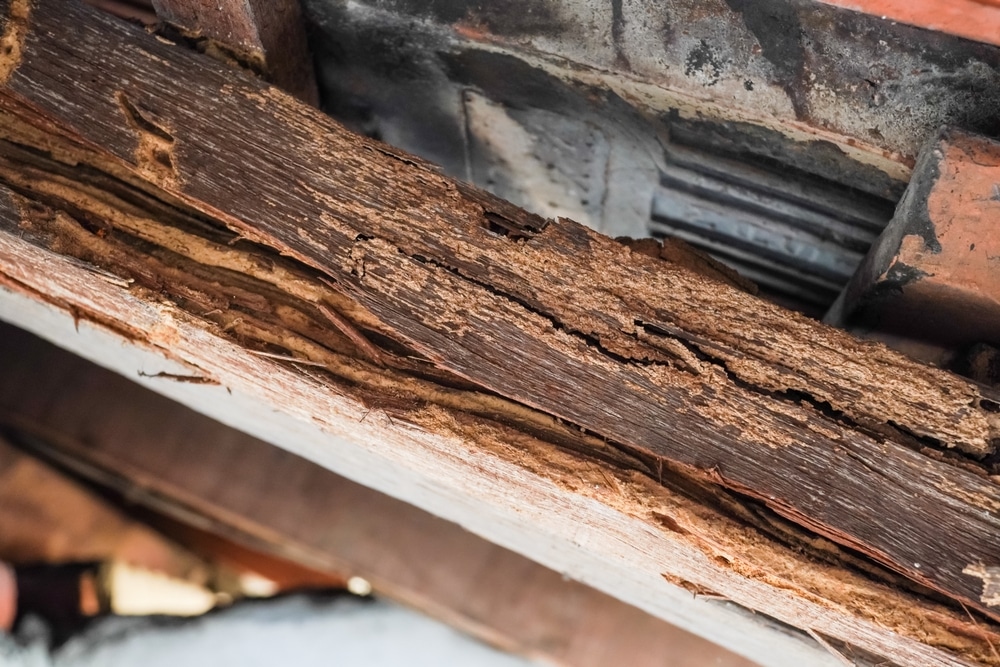
Water damage can soften wood in floors, walls, and ceilings, creating an inviting environment for pests. Damp wood is easy to chew, burrow into, and hide within, making it an ideal nesting material for:
- Termites, which consume wood as their primary food source
- Carpenter ants, which excavate wood to build colonies
- Rodents, which create nests in weakened wooden beams or flooring
Over time, this can compromise the structural integrity of your home, compounding the damage caused by moisture itself.
Mold and Secondary Pest Attraction
Mold is a common consequence of untreated water damage. While mold itself is a health concern for humans, it also attracts secondary pests. Certain insects, including mites and fungus gnats, feed on mold or use moldy areas as breeding grounds.
The presence of mold, combined with damp wood and standing water, creates a perfect storm for a wide range of pests. This combination can quickly escalate from a minor nuisance to a serious infestation if not addressed promptly.
Untreated Water Damage Leads to Escalating Problems
Left unresolved, water damage doesn’t just deteriorate building materials—it invites a cycle of pest problems. Moisture compromises drywall, flooring, and insulation, giving pests more access points and habitats.
Consequences of ignoring water damage include:
- Increased repair costs due to combined structural and pest damage
- Higher risk of mold-related health issues
- Difficulty eliminating established infestations without professional intervention
This is why rapid response and restoration are critical to preventing compounding problems.
The Role of Professional Water Damage Restoration
Certified Water Damage Restoration teams do more than remove water—they restore your home to safe, dry conditions that deter pests. Services often include:
- Water Extraction: Removing standing water to eliminate moisture sources for pests.
- Drying and Dehumidification: Ensuring walls, floors, and crawl spaces are thoroughly dried.
- Mold Remediation: Treating affected areas to prevent mold that attracts secondary pests.
- Structural Repairs: Replacing compromised wood, drywall, or insulation to remove pest habitats.
- Preventative Recommendations: Installing vapor barriers, sump pumps, or improving ventilation to minimize future water intrusion.
Professional intervention stops both the immediate water damage and the secondary problems that can develop if moisture is left unchecked.
Homeowner Tips to Reduce Pest Risks
While professional restoration is essential, homeowners can take steps to limit pest attraction before and after repairs:
- Regular Inspections: Check for leaks, standing water, and signs of pests.
- Improve Drainage: Ensure gutters, downspouts, and grading divert water away from the foundation.
- Seal Entry Points: Close gaps around windows, doors, and vents that rodents or insects could use.
- Control Humidity: Use dehumidifiers in basements or crawl spaces prone to moisture.
- Promptly Address Minor Leaks: Even small plumbing leaks can create ideal conditions for pests.
These preventive steps, combined with professional restoration, reduce the likelihood of infestations and protect your home.
Final Thoughts
Water damage doesn’t just affect your home’s structure—it creates an environment that attracts pests, damages materials, and can compromise your family’s health. By acting quickly, removing moisture, and restoring affected areas, homeowners can break this cycle and prevent secondary problems.
For Utah residents, trusted Water Damage Restoration experts like Black Diamond Restoration provide comprehensive solutions. From water extraction and drying to mold remediation and structural repairs, their team ensures your home is safe, dry, and protected from pests and further damage.