When it comes to mold in your home, the terminology can be confusing. Homeowners often hear about “mold removal” and “mold remediation” and assume they mean the same thing. In reality, the two terms describe very different approaches—and the differences can have a major impact on your home’s safety, your family’s health, and your long-term costs.
Understanding the distinction is especially important for homeowners in Utah, where moisture issues in basements, bathrooms, and attics are common. Choosing the right approach can mean the difference between a temporary fix and a long-lasting solution.
What Is Mold Removal?
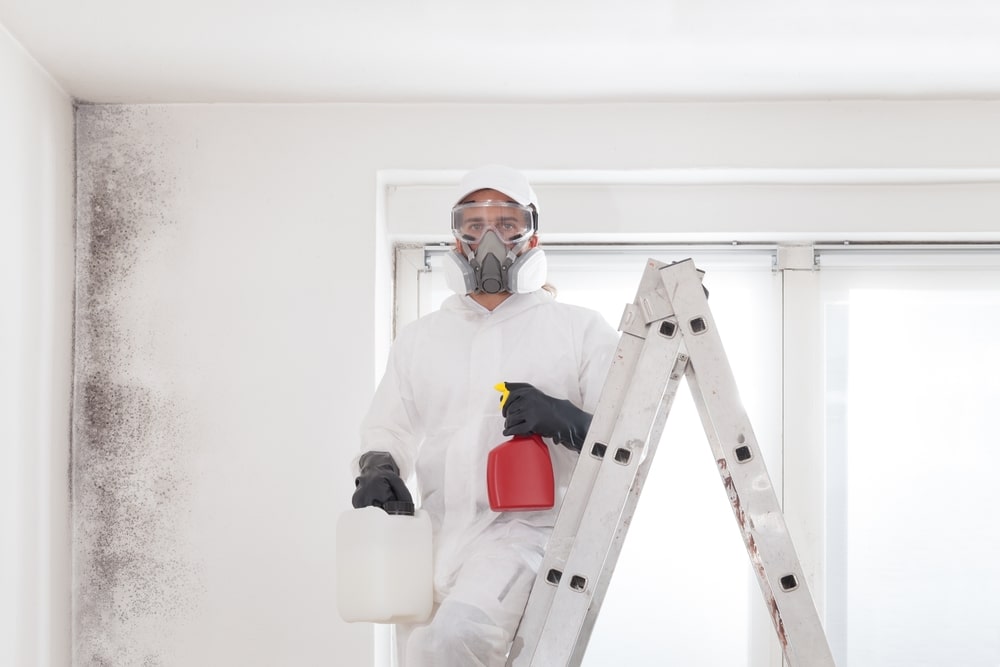
Mold removal is a term most people associate with cleaning surfaces. It focuses on visible mold patches, using scrubbing, cleaning agents, and sometimes mild chemical treatments to wipe the mold away.
Key characteristics of mold removal include:
- Treating only visible mold, often on walls, ceilings, or floors.
- Using cleaning products, brushes, or commercial mold sprays.
- Temporary elimination of surface mold without addressing underlying causes.
While mold removal can improve appearances, it rarely prevents mold from returning. Spores hidden in insulation, behind drywall, or inside wood framing may continue to grow if moisture issues persist.
For homeowners dealing with minor, superficial mold, professional mold removal Salt Lake City services ensure the surface is properly cleaned while containing spores to prevent further spread.
What Is Mold Remediation?
Mold remediation is a more comprehensive process. Its goal isn’t just to clean the surface—it’s to identify the source of mold, eliminate it, and restore your home to a safe condition. Remediation addresses both the mold and the moisture problem that allowed it to grow.
Key characteristics of mold remediation include:
- Inspecting the property to find hidden mold behind walls, ceilings, or under flooring.
- Using containment barriers to prevent spores from spreading to unaffected areas.
- Removing contaminated materials such as drywall, insulation, or carpet when necessary.
- Fixing the underlying moisture problem—leaks, condensation, or flooding—to prevent recurrence.
- Testing air quality after the work is completed to ensure safety.
Unlike simple mold removal, remediation treats the root cause, providing a long-term solution that keeps your home healthier.
Why Mold Remediation Is More Thorough
Mold remediation is more thorough for several reasons:
Complete Source Elimination: It removes not just the visible mold but also hidden colonies that could regrow.
Moisture Control: Addressing leaks, ventilation issues, or drainage problems prevents future outbreaks.
Structural Protection: By removing contaminated materials and treating affected areas, remediation preserves the integrity of your home.
Health Safety: Containing spores and using professional-grade equipment reduces exposure to harmful mycotoxins during cleanup.
While mold removal may make a wall look clean, it does little to prevent mold from returning if the source of moisture isn’t fixed. Remediation, on the other hand, ensures a comprehensive, long-lasting solution.
Health Benefits of Full Remediation
Mold isn’t just an aesthetic issue—it’s a health hazard. Incomplete cleanup can leave spores in the air, which may trigger:
- Respiratory irritation or asthma attacks
- Allergic reactions like sneezing, watery eyes, or rashes
- Headaches, fatigue, or sinus congestion
- More serious long-term effects for those with compromised immune systems
Full mold remediation removes hidden mold, eliminates spores, and prevents recurring infestations. This results in improved indoor air quality, reduced health risks, and peace of mind knowing your home is safe.
Choosing the Right Solution
Not all mold problems require full remediation. Small, isolated areas on non-porous surfaces might be handled with professional mold removal. However, if mold covers more than 10 square feet, appears in multiple rooms, or has grown inside walls, remediation is usually the safer, more effective choice.
Homeowners should also consider that mold remediation professionals not only clean and repair damage but also provide documentation and post-remediation testing. This ensures that your home meets health and safety standards, which can be especially valuable for insurance claims or property sales.
Final Thoughts
Understanding the difference between mold removal and mold remediation is key to protecting your home and your family’s health. While surface cleaning can improve appearances, only professional remediation addresses the source of the problem and prevents recurrence. For homeowners in Utah, choosing a trusted provider of mold removal Salt Lake City and mold remediation Salt Lake City services ensures that mold is safely removed, underlying moisture issues are fixed, and indoor air quality is restored. Black Diamond Restoration combines thorough inspections, certified remediation techniques, and long-term prevention strategies to keep your home safe and healthy for years to come.