Crawl spaces are often overlooked areas in homes, tucked beneath floors and hidden from view. Despite their low profile, these spaces are particularly vulnerable to water damage. Homeowners may not realize that even minor moisture issues in a crawl space can escalate, affecting foundations, indoor air quality, and overall structural integrity.
For Utah residents, understanding the risks of water intrusion in crawl spaces—and taking preventative action—is essential. Professional basement water damage Salt Lake City services can help detect, treat, and prevent long-term problems.
Why Crawl Spaces Are Prone to Water Intrusion
Several factors make crawl spaces highly susceptible to moisture issues:
- Low Elevation: Being below ground level, crawl spaces naturally collect water that seeps through soil or leaks from above.
- Poor Ventilation: Limited airflow allows moisture to accumulate, creating a damp environment ideal for mold growth.
- Hidden Plumbing: Leaks from pipes, water heaters, or HVAC systems often go unnoticed in these enclosed areas.
- Neglected Maintenance: Crawl spaces are frequently ignored during home inspections, delaying detection of small issues that can grow into significant damage.
Because these areas are out of sight, small leaks or condensation can persist undetected for long periods, compounding damage over time.
Common Sources of Crawl Space Water Damage
Water intrusion in crawl spaces can originate from multiple sources, including:
Rain and Surface Runoff: Poor grading or blocked gutters can cause rainwater to flow toward the foundation and seep into the crawl space.
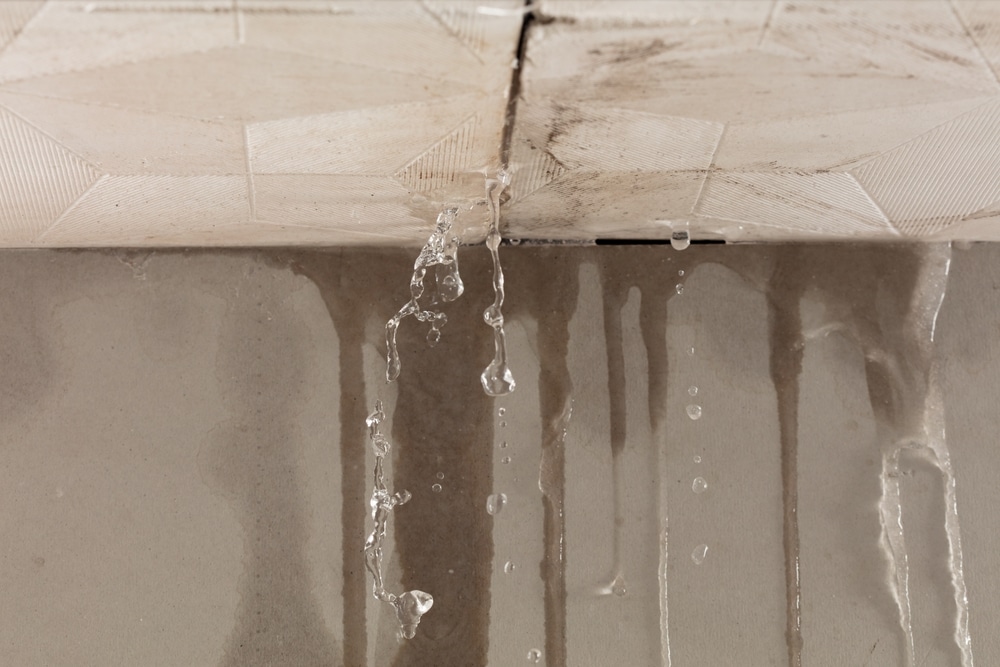
Plumbing Leaks: Burst or leaking pipes, especially those running through crawl spaces, can introduce significant moisture.
Groundwater Seepage: In areas with high water tables or saturated soil, groundwater may infiltrate crawl space walls or flooring.
HVAC or Appliance Condensation: Air conditioning units or water heaters located in crawl spaces can produce condensation that accumulates over time.
Even minor water accumulation from these sources can damage wood supports, flooring, and insulation. Over time, untreated moisture may compromise the foundation itself.
How Standing Water Affects Foundations and Air Quality
Standing water in a crawl space is more than an inconvenience—it can have serious consequences:
- Foundation Damage: Continuous moisture can weaken support beams and joists, potentially causing shifting or settling in the home’s foundation.
- Wood Rot and Structural Decay: Wooden elements exposed to water deteriorate, leading to sagging floors and weakened structural components.
- Mold Growth: Damp environments encourage mold and mildew growth, which can spread spores into the home and negatively impact indoor air quality.
- Increased Pest Activity: Moisture attracts termites, rodents, and other pests that can further damage the property.
These issues highlight the importance of addressing crawl space moisture early to prevent more extensive and costly repairs.
Prevention Tips and Benefits of Encapsulation
Homeowners can take several steps to minimize the risk of crawl space water damage:
- Improve Drainage: Ensure proper grading around the home, install downspout extensions, and clear gutters regularly.
- Inspect Plumbing: Check for leaks in pipes and appliances located in or near the crawl space.
- Install a Vapor Barrier: Laying a plastic liner over soil prevents moisture from seeping upward into the crawl space.
- Encapsulation: Fully encapsulating the crawl space—including sealing vents and installing a vapor barrier—creates a dry, controlled environment.
- Dehumidifiers: Installing a crawl space dehumidifier helps regulate moisture levels and reduces the risk of mold.
Encapsulation not only prevents water intrusion but also improves indoor air quality by reducing mold spores circulating into living spaces. Additionally, maintaining a dry crawl space can prolong the life of your foundation and structural supports.
When to Call Professionals
Even with preventive measures, water intrusion can occur. Professional basement water damage Salt Lake City teams can help:
- Inspect crawl spaces for hidden moisture or mold
- Remove standing water safely and dry affected areas
- Repair damage to structural supports and insulation
- Recommend long-term solutions like drainage improvements or full encapsulation
Relying on experts ensures that water problems are addressed thoroughly, reducing the risk of recurring issues and protecting your home’s integrity.
Final Thoughts
Crawl spaces may be out of sight, but they are certainly not out of risk. Moisture intrusion can silently compromise your home’s foundation, cause mold growth, and impact indoor air quality. By staying vigilant, performing regular inspections, and using professional services when needed, homeowners can prevent small crawl space leaks from turning into major structural issues.
If you suspect water damage in your crawl space or basement, contact basement water damage professionals in Salt Lake City at Black Diamond Restoration. Their team provides fast, comprehensive water damage restoration and preventative solutions, keeping your home safe, dry, and structurally sound.