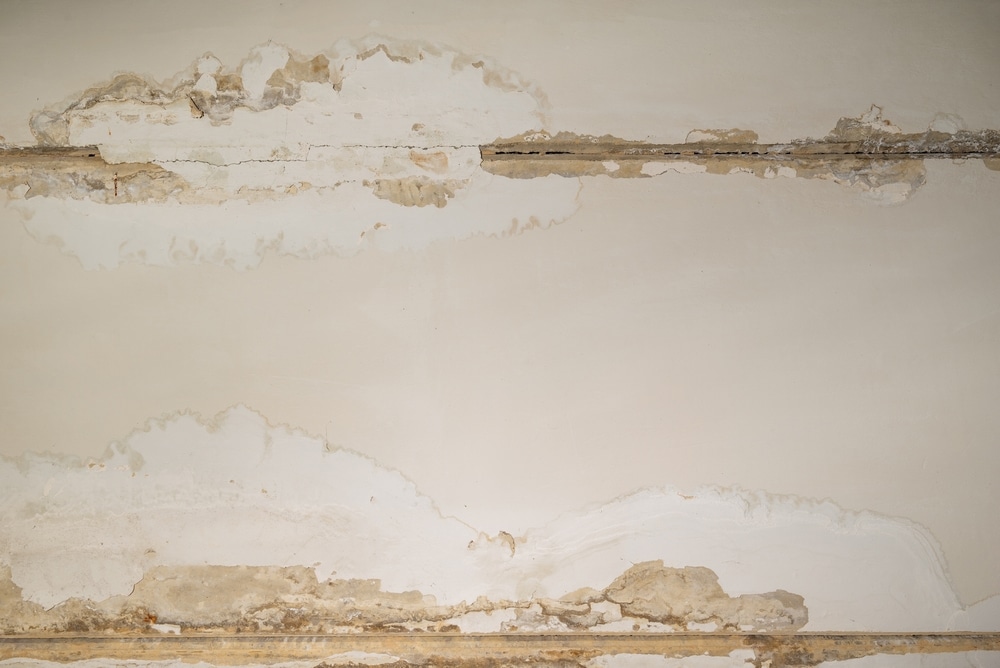
Drywall is one of the most common materials used in modern homes, forming walls and ceilings throughout living spaces. While it’s sturdy under normal conditions, drywall damage from water can occur quickly and silently. Even minor moisture exposure can compromise its structural integrity over time, leading to sagging, crumbling, staining, and potential safety hazards.
For homeowners in Utah, timely intervention with professional Water Damage Restoration services is essential to preserve your walls, protect your home, and prevent long-term costs.
How Drywall Absorbs and Retains Water
Drywall is primarily composed of gypsum plaster sandwiched between paper layers. Both the gypsum and paper are highly porous, which means drywall readily absorbs water when exposed to leaks, floods, or high humidity.
Once water is absorbed:
- Drywall holds moisture for extended periods, even after surface drying.
- The internal gypsum core can swell, soften, and lose cohesion.
- Paper layers may separate or peel away, creating weak spots.
This absorption makes drywall particularly vulnerable in areas like basements, bathrooms, and kitchens where leaks are more common.
Loss of Structural Strength
When drywall retains water, its structural strength deteriorates. Initially, it may appear wet but maintain form. Over time, however:
- Drywall begins to sag under its own weight, especially on ceilings.
- Panels may bow or bulge along seams and joints.
- Overexposure can lead to complete crumbling of affected sections.
Even small leaks left untreated can compromise large areas of a wall or ceiling. The weakening of drywall also affects attached finishes, including paint, wallpaper, and plaster.
Visible Signs of Drywall Damage
Homeowners often notice damage before it becomes critical. Key indicators include:
- Sagging or drooping panels: Ceilings are especially vulnerable after water exposure.
- Crumbles or powdery texture: The gypsum core disintegrates when structural integrity fails.
- Staining and discoloration: Water stains often appear yellow or brown and may expand over time.
- Peeling or bubbling paint: Trapped moisture causes coatings to separate from the drywall surface.
Recognizing these early signs allows homeowners to act before mold growth or further structural compromise occurs.
Why Replacement Is Often Necessary
While minor damp spots may dry out without immediate replacement, water-damaged drywall often requires removal and replacement once integrity is compromised. Simply drying the surface is insufficient if:
- Panels sag or warp
- The gypsum crumbles when touched
- Mold growth has developed within the wall cavity
- Seams or joints separate from the framing
Professional restoration teams remove damaged sections safely, treat surrounding areas for moisture or mold, and install new drywall to restore structural stability and appearance.
Role of Professional Water Damage Restoration
Attempting to repair or patch water-damaged drywall without addressing the root cause can lead to recurring problems. Certified Water Damage Restoration specialists provide comprehensive solutions, including:
- Water extraction and drying of affected areas
- Assessment of the drywall, framing, and insulation for structural integrity
- Mold inspection and remediation if necessary
- Safe removal and replacement of compromised drywall
- Final finishing, painting, and restoration to pre-damage condition
Professionals ensure that the problem is not just cosmetic but thoroughly resolved, preventing further damage and preserving home safety.
Preventing Drywall Water Damage
Homeowners can take several steps to minimize the risk of drywall damage:
- Regular plumbing inspections: Identify leaks in pipes, fixtures, and appliances before they affect walls.
- Roof and gutter maintenance: Prevent water intrusion from above.
- Monitor humidity levels: Use dehumidifiers in basements or crawl spaces.
- Immediate action after leaks: Rapid water extraction reduces the time drywall remains saturated.
Combining proactive maintenance with fast professional response is the best strategy for keeping walls safe and intact.
Final Thoughts
Drywall may appear resilient, but water exposure can quickly compromise its structural integrity. Absorption of moisture leads to sagging, crumbling, staining, and in some cases, hidden mold growth. Ignoring even small leaks can result in extensive repairs and safety hazards.
For Utah homeowners, relying on certified Water Damage Restoration professionals like Black Diamond Restoration ensures that damaged drywall is assessed, dried, and replaced safely and efficiently. Acting quickly not only preserves your walls but also protects your home from long-term structural and health risks.