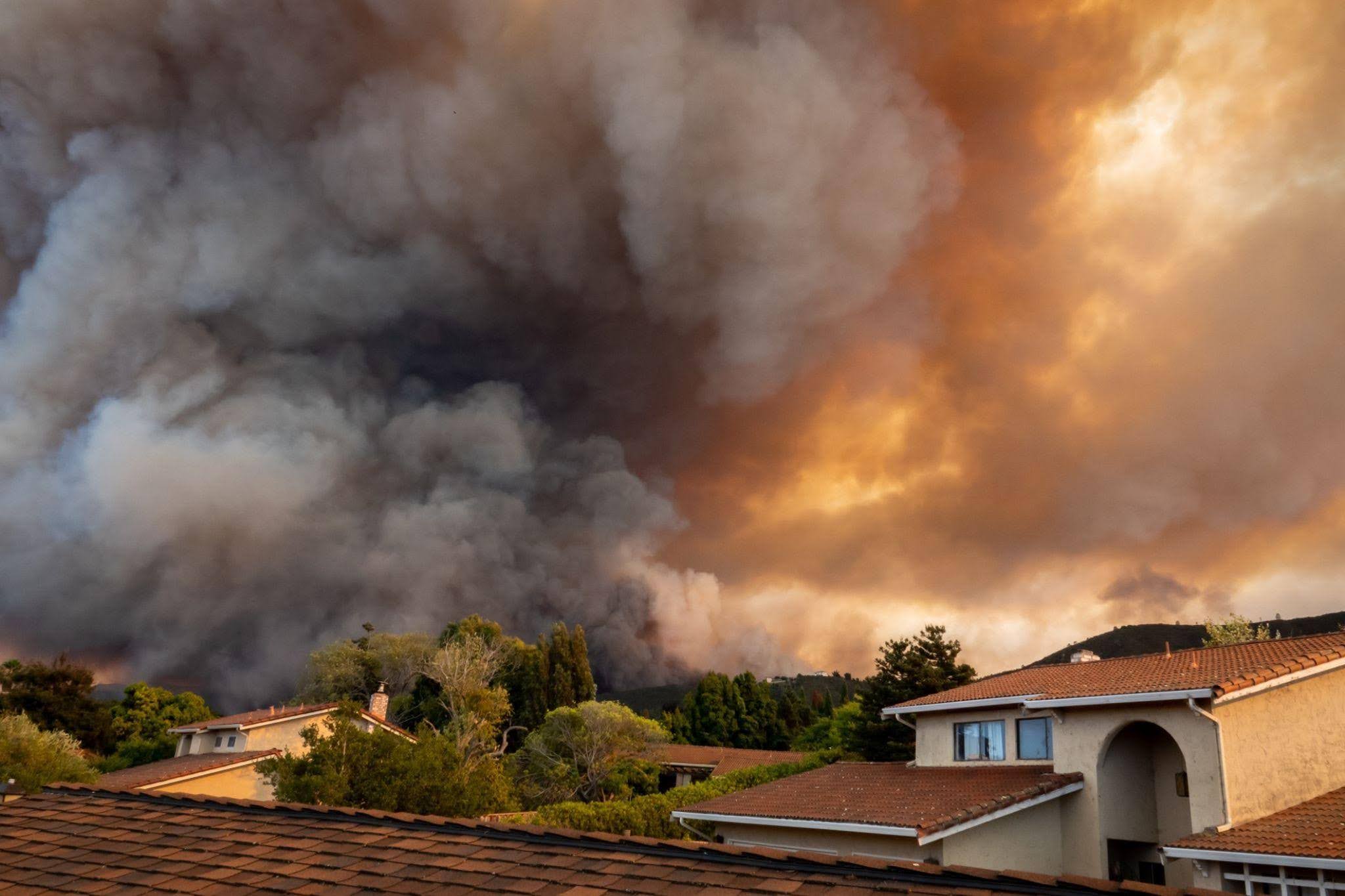
Utah’s wildfire season blankets entire valleys in smoke for days or weeks, and the damage doesn’t end when the flames do. Soot particles settle into carpets, drywall, and HVAC systems, leaving behind acidic residue and stubborn odor long after the sky clears.
Many homeowners try a quick wipe-down and assume the problem is solved, only to find the smoke smell returning weeks later, sometimes worse than before, because trapped soot continues reacting with paint, metal, and fabric over time.
This guide walks through a proven fire damage cleanup process for Utah homes, covers common mistakes that worsen wildfire smoke damage, and explains when a professional fire and smoke damage repair team should step in rather than tackling the job alone.
Whether smoke rolled in from a canyon fire nearby or drifted in from a wildfire burning hundreds of miles away, the cleanup principles are the same. And getting the order of operations right is what determines whether the smell and residue actually go away for good.
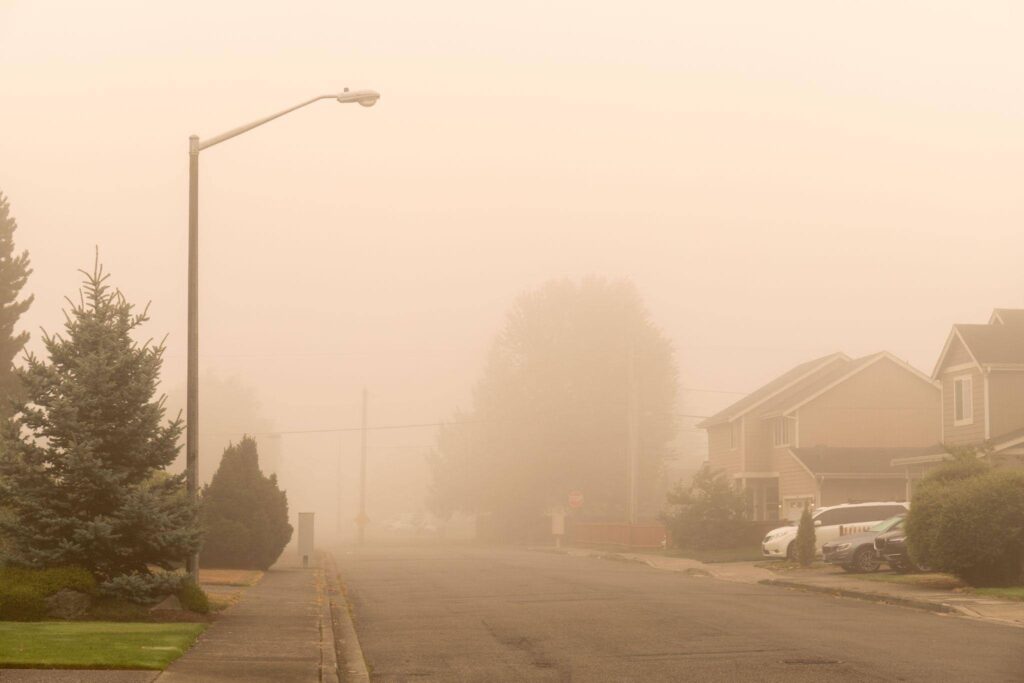
What is wildfire smoke damage?
Wildfire smoke damage refers to the soot, ash, and odor particles that infiltrate a home during nearby wildfire events, even when the structure itself was never touched by flame.
Unlike damage from a house fire, wildfire smoke damage tends to be widespread rather than localized. It settles on every surface, gets pulled into the HVAC system, and works its way into fabrics, insulation, and wood grain throughout the entire house. Because soot is acidic, it could etch paint, discolor grout, and corrode metal fixtures the longer it’s left untreated.
Step-by-step cleanup guide
- Ventilate the home. Once outdoor air quality has improved, open windows and run fans to clear residual smoke odor before cleaning begins. Cross-ventilating with fans on opposite sides of the house speeds this up significantly.
- Replace HVAC filters immediately. Furnace and AC filters trap heavy soot loads and will recirculate smoke odor throughout the home if left in place. If the system ran during heavy smoke exposure, have the ductwork inspected as well.
- Dry-clean soot before using water. A dry chemical sponge or HEPA vacuum lifts soot off walls and ceilings without smearing it into the surface. Work in small sections and use a fresh face of the sponge often, since soot builds up quickly.
- Wash hard surfaces top to bottom. Use a mild degreasing cleaner, working from the ceiling to the floor, then rinse thoroughly, since soot residue is acidic.
- Launder or professionally clean fabrics. Curtains and bedding often respond well to heavy-duty detergent with baking soda; upholstery, carpet, and drapes that can’t be machine-washed usually need deeper professional treatment to lift embedded odors fully.
- Treat lingering odor. Air scrubbers, ozone treatment, or thermal fogging address odor trapped in porous materials like drywall and insulation that standard cleaning can’t reach on its own.
- Inspect the attic and crawl spaces. Smoke will settle into attic insulation and rafters even when living spaces look clean, so these areas deserve a dedicated check before calling the cleanup complete.
- Call in a professional fire damage restoration company if the exposure was heavy. Ducts, attic insulation, and wall cavities often require equipment and expertise that a DIY fire damage cleanup can’t provide, especially after multi-day smoke events.
Why professional fire damage restoration matters
- Reaches soot trapped in ducts, attics, and wall cavities that DIY cleaning can’t access
- Uses commercial-grade equipment like ozone generators and thermal foggers to eliminate odor fully
- Prevents long-term surface damage from acidic soot residue left untreated
- Identifies hidden smoke infiltration in insulation and structural cavities
- Speeds up the fire damage cleanup timeline with trained crews and specialized tools
- Provides documentation homeowners may need for insurance claims
Common mistakes to avoid
- Wiping soot with a wet cloth before dry-cleaning it first
- Ignoring HVAC filters and ductwork after a smoke event
- Assuming odor will fade on its own without treatment
- Using harsh abrasive cleaners that grind soot into porous surfaces
- Delaying cleanup, which allows acidic residue to etch paint and metal
- Skipping a professional inspection when the exposure lasted multiple days
Data and statistics
Homes located within smoke-impacted zones during multi-day wildfire events often show soot infiltration in HVAC systems even without visible fire damage.
- According to NIOSH guidance, prolonged exposure to fine particulate matter, such as wildfire smoke residue, poses respiratory risks if not properly remediated indoors.
- Utah’s Wasatch Front experiences elevated wildfire smoke events during the summer months due to regional canyon geography and seasonal drought conditions.
- Soot residue left untreated for extended periods becomes progressively more difficult and costly to remove from painted and metal surfaces.
Recommended tools and products
- Dry chemical soot sponge
- HEPA-filter vacuum
- Mild degreasing cleaner or TSP substitute
- Heavy-duty laundry detergent with baking soda additive
- Replacement HVAC filters
- Air scrubber or ozone generator (professional-grade)
How to reduce wildfire smoke damage risk in the future
- Install high-efficiency HVAC filters (MERV 13 or higher) ahead of wildfire season
- Seal gaps around windows, doors, and attic vents where smoke can infiltrate
- Keep a supply of replacement filters on hand during peak wildfire months
- Consider a portable air purifier for bedrooms and main living areas
- Monitor local air quality alerts and close up the house proactively when smoke is forecasted
- Schedule an annual HVAC inspection to catch vulnerabilities before wildfire season begins
FAQ
Q: How long does wildfire smoke damage cleanup usually take?
Timelines vary by severity, but most homes need a few days for surface cleaning and up to a week or more when HVAC and odor treatment are included in a full fire-damage cleanup.
Q: Can I clean wildfire smoke damage myself, or do I need a professional?
Light surface soot can often be handled with dry sponges and mild cleaners, but deep odors and HVAC contamination usually require professional fire-damage restoration equipment.
Q: Why does my house still smell like smoke after cleaning?
Odor molecules absorb into porous materials like drywall, insulation, and wood, so surface cleaning alone often isn’t enough for full fire and smoke damage repair.
Q: Is wildfire smoke damage covered by homeowners’ insurance?
Many policies cover wildfire smoke damage, but coverage details vary, so it’s worth documenting damage and contacting your insurer as part of the restoration process.
Q: Does wildfire smoke damage my HVAC system even if the smoke stays outside?
Yes, HVAC systems actively pull in outdoor air, so soot and odor particles are drawn into ductwork and filters even when smoke never visibly enters the home.
Wildfire smoke damage in Utah
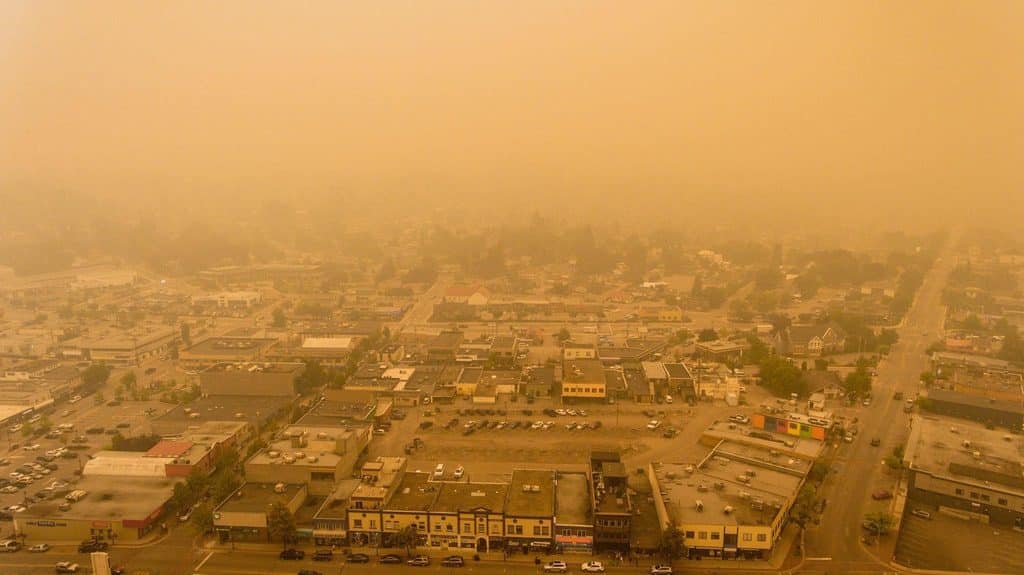
Utah’s mountain geography makes wildfire smoke damage a recurring seasonal concern along the Wasatch Front, even for homes far from an active burn zone.
Canyon winds carry smoke into Salt Lake, Utah, and Davis County communities for days at a time, and temperature inversions, common in the valley, can trap smoke close to the ground long after a fire has been contained.
Homes in canyon communities and benches along the foothills are often exposed to smoke first and longest, while denser valley neighborhoods can see soot settle in for days once an inversion locks it in place.
Older housing stock is especially vulnerable to smoke infiltration, since aging duct seals and filters weren’t designed to handle repeated heavy-smoke seasons.
Newer construction isn’t immune, either. Modern homes are often built more tightly, which may trap smoke odor indoors equally effectively once it gets in.
Either way, prompt fire damage cleanup is essential before soot has time to etch surfaces or odor sets permanently into insulation and drywall.
Hire Black Diamond Restoration today
Wildfire smoke damage rarely announces itself as clearly as a house fire, but the impact on air quality, surfaces, and long-term home health can be serious. Acting quickly makes all the difference in a successful fire damage cleanup. Contact Black Diamond Restoration for a professional fire and smoke damage repair assessment.