Mold after water damage begins growing within 24–48 hours of moisture exposure. Once spores come into contact with wet materials such as drywall or wood, they begin to grow rapidly. Immediate drying, humidity control, and professional water damage and mold removal are the most effective ways to prevent mold from becoming a costly structural and health problem.
Water damage doesn’t give you much time. Within 24 to 48 hours of a leak, flood, or burst pipe, mold spores already present in your home begin to grow on wet surfaces. That often happens inside walls and under flooring, where you can’t see them. By the time mold is visible, the problem has already compounded.
In this guide, you’ll learn exactly how quickly mold develops after water damage, what the warning signs look like at each stage, and what steps — including professional water damage and mold removal — give you the best chance of protecting your home and avoiding a much larger repair bill.
What causes mold after water damage?
When water enters your home from any type of damage, it creates the ideal environment for mold growth: moisture, warmth, and organic material to feed on.
Mold is a fungus that reproduces through airborne spores. Those spores are always present in your home at low levels and are harmless under normal conditions. But introduce excess moisture, and they activate fast.
Within 24 to 48 hours after a water event, spores begin to germinate on wet surfaces. Within three to seven days, visible colonies form. Left unaddressed, mold spreads through walls, flooring, and HVAC systems, turning a manageable water damage situation into a full remediation project.
Understanding this timeline is the first step toward protecting your home and family.
Restoration professionals consider the first 24–48 hours after a water event the critical intervention window. Rapid drying during this period prevents mold growth entirely in many cases.
How quickly does mold grow after water damage?
Hours 0–24: Spore activation
Water saturates porous materials. Mold spores in the air land on wet surfaces and begin germinating. There’s no visible growth yet, but the process has already started.
Hours 24–48: Growth begins
This is the critical window. Active mold growth begins on damp drywall, wood, carpet, and insulation. Professional water extraction and drying during this phase prevent mold from taking hold.
Days 3–7: Visible colonies
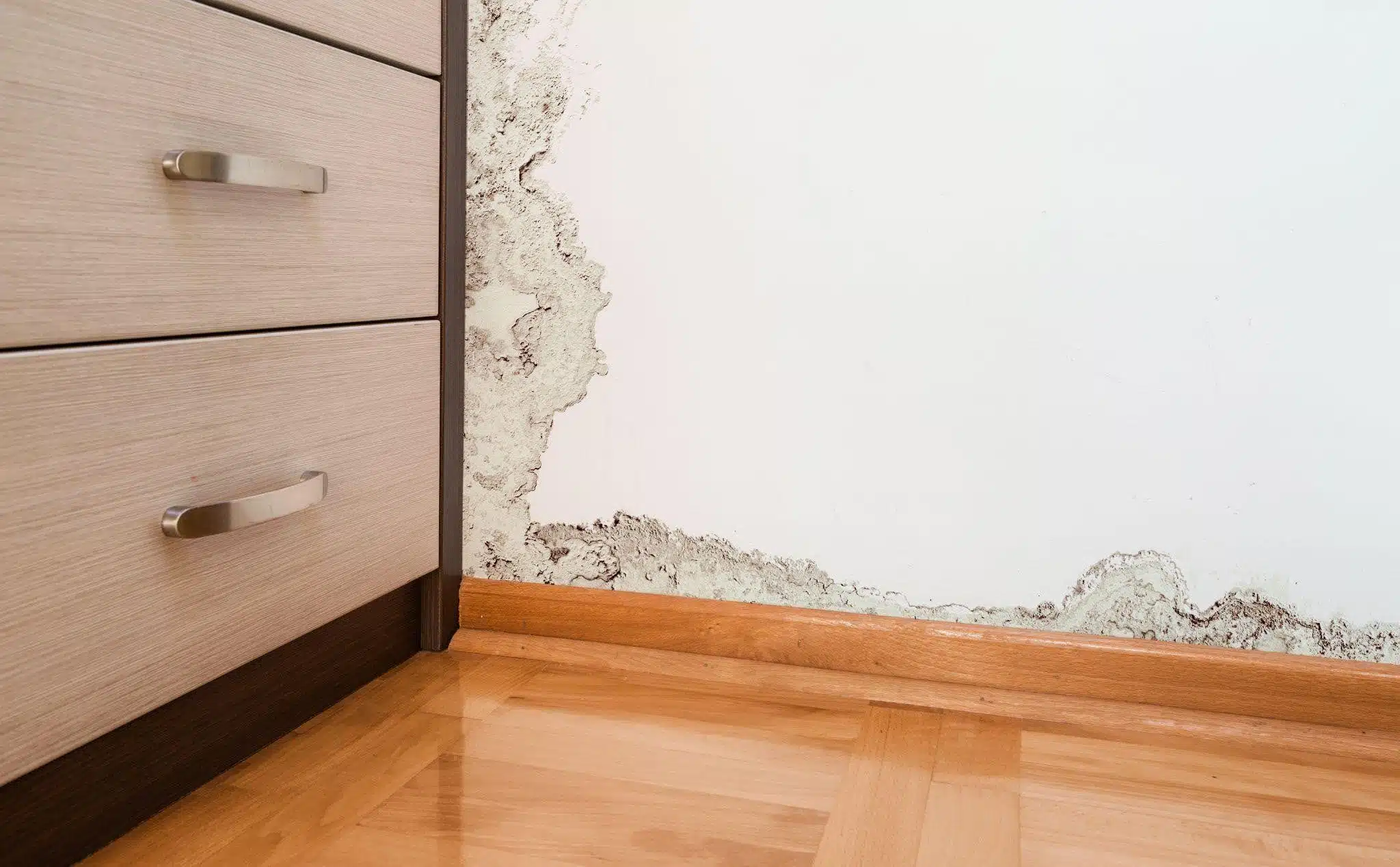
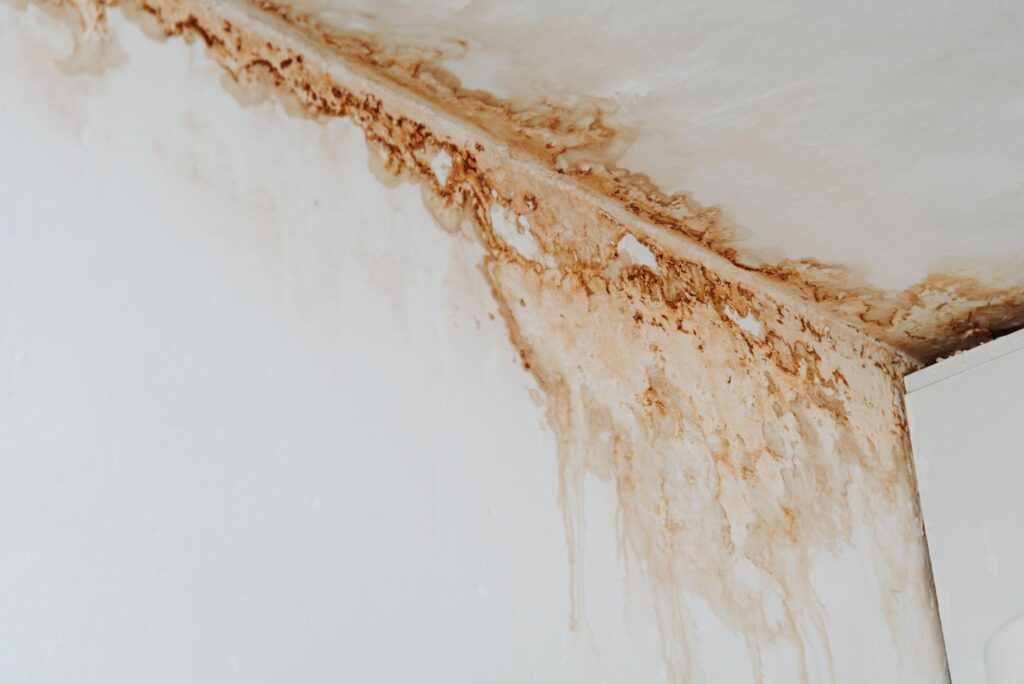
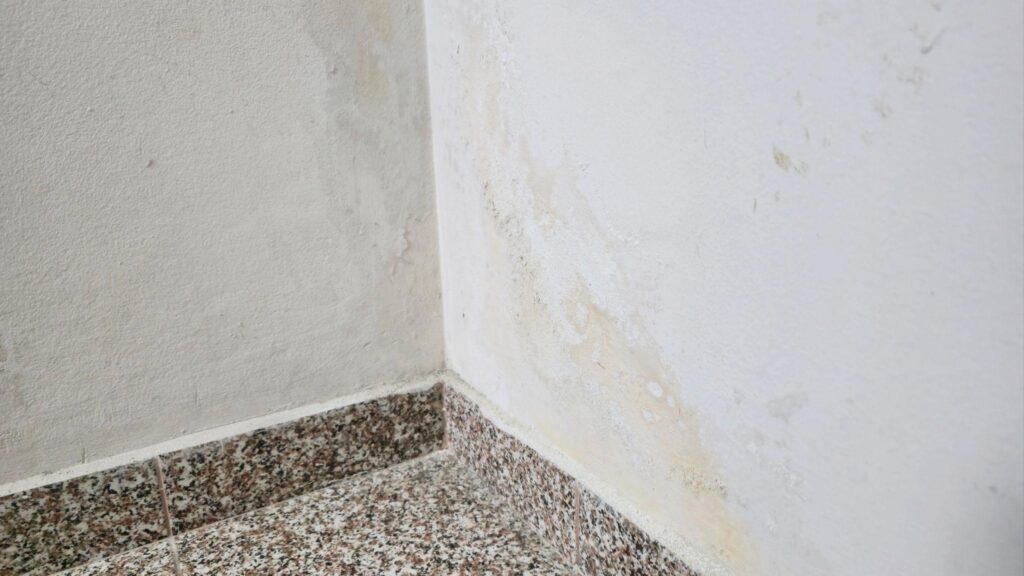
Mold becomes visible, often appearing as dark spots, fuzzy patches, or surface discoloration. Musty odors emerge. Materials begin breaking down.
Days 7–21: Spreading contamination
Mold colonies expand and release additional spores. Hidden growth develops inside walls and under flooring. Health symptoms such as respiratory irritation and allergy flare-ups become more likely.
Beyond 3 Weeks: Structural damage
Prolonged mold exposure compromises structural integrity and air quality. Remediation at this stage is significantly more complex and expensive.
Conditions that accelerate growth include indoor humidity of 60% or higher, temperatures of 70-90°F, poor ventilation, and porous building materials.
Why fast action on water damage and mold removal matters
Acting quickly after any water event directly determines whether water damage and mold removal become necessary at all. Prevention is far cheaper than remediation, and professional drying within 48 hours often eliminates the need for remediation.
But remediation becomes necessary when structural materials are saturated, as they usually require full replacement. That’s why acting quickly matters so much here.
Mold isn’t isolated to the visible damage zone, either, because spores travel through air and HVAC systems, contaminating areas far from the original water source.
Responding immediately to mold damage helps with insurance, as damage deemed the result of a delayed response will often be limited or denied.
Finally, your health risks increase over time. Prolonged mold exposure is linked to respiratory issues, headaches, and worsened asthma symptoms, particularly in children and the elderly.
What to expect from a professional
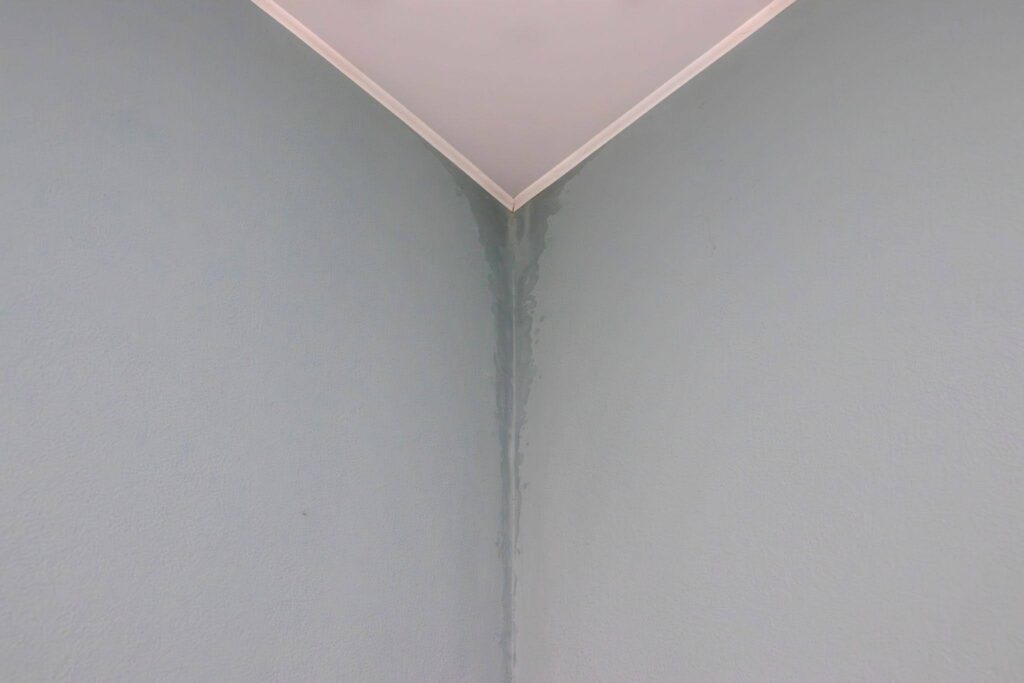
When you contact a professional restoration company, the process typically starts with a moisture assessment. A technician will use moisture meters and, sometimes, thermal imaging to map exactly where water has traveled through your walls, floors, and ceiling cavities.
From there, you’ll get a clear picture of what’s affected, what can be dried in place, and what needs to be removed. That scoped assessment is what separates a targeted response from an expensive overreaction. It’s usually the first step in determining whether water damage and mold removal are necessary.
Common mistakes homeowners make
- Waiting to see if things dry out on their own
- Cleaning surface mold without addressing the moisture source
- Painting or caulking over visible mold growth
- Running HVAC systems when mold is present near ducts
- Assuming small leaks don’t create mold risk
- Using bleach on porous materials, where you can’t fully reach mold roots
- Skipping a professional moisture assessment after water events
Mold and water damage stats worth knowing
- Mold begins growing as little as 24 hours after exposure to water if conditions are right.
- Water damage is one of the most common homeowner insurance claims in the U.S.
- Homes with relative humidity above 60% are significantly more susceptible to rapid mold colonization.
What you’ll need to respond
- A moisture meter identifies hidden dampness in walls and flooring before mold becomes visible
- A dehumidifier brings indoor humidity below 50% to stop mold-favorable conditions
- Industrial fans accelerate evaporation in wet areas
- N95 respirator, gloves, and eye protection are essential for any direct contact with mold or heavily saturated materials
- Get an EPA-registered mold cleaner for surface treatment of non-porous materials only
- Hire a professional restoration service for any growth beyond 10 square feet, hidden mold, or HVAC involvement.
FAQ
Q: How soon does mold start after water damage?
A: Mold after water damage begins growing within 24–48 hours. Spores activate quickly on wet, porous materials such as drywall, wood, and carpet. The first 24 hours are the most critical, as prompt drying and extraction significantly reduce the likelihood of mold development.
Q: Can I handle mold removal myself?
A: You sometimes handle small affected areas under 10 square feet on non-porous surfaces with EPA-registered cleaners and proper protective gear. Larger areas, hidden growth, or mold near HVAC systems require professional water damage and mold removal to ensure complete remediation and prevent recurrence.
Q: What does early mold growth look like?
A: Early mold may appear as small dark spots, powdery patches, or faint surface discoloration. A musty smell often accompanies it before it’s visible. If you notice either sign after a water event, treat it as active growth.
Q: Will mold go away if it dries out?
A: No. Mold that dries out becomes dormant but doesn’t die. Spores remain viable and reactivate when moisture returns. Drying alone isn’t remediation; affected materials must be properly treated or removed.
Mold growth in Utah
Utah’s climate creates distinctive mold risk factors. Spring snowmelt puts pressure on basement waterproofing and foundation drainage across the Wasatch Front.
Summer monsoon moisture, especially in southern Utah, catches homeowners off guard after months of dry weather. Winter brings frozen-pipe risks statewide, and when pipes fail, they often do so inside walls, where water goes undetected for days.
Utah’s low average humidity creates a false sense of security. Homes here do dry faster than in humid climates, but porous building materials still sustain enough moisture for mold growth long after surfaces feel dry to the touch.
A moisture meter is more reliable than a hand check, and a professional assessment after any significant water event is worthwhile, regardless of how things appear on the surface.
Older homes along the Wasatch Front, particularly in Salt Lake, Utah, and Davis counties, often have basement construction and crawl spaces that are especially vulnerable to moisture intrusion. Many were built before modern vapor-barrier standards, meaning water has more pathways in and fewer barriers to stop it.
In these homes, a single slow leak or a heavy snowmelt season creates the hidden moisture conditions that mold needs, without any visible sign of a problem until it’s well established.
Canyon communities and higher-elevation areas face additional risk from rapid spring snowmelt, when ground saturation pushes water into foundations faster than drainage systems can handle it. For homeowners in these areas, a post-winter moisture inspection is a reasonable annual precaution.
Contact Black Diamond Restoration for all your restoration needs
Mold after water damage moves faster than most homeowners expect. The 24–48 hour window is real, and what happens in that window largely determines the scope and cost of what comes next. Whether you’re responding to a flood, a burst pipe, or a slow, hidden leak, early action is always the right call.
If you’ve experienced water damage and aren’t sure whether mold is already a factor, don’t wait for visible signs. Contact Black Diamond Restoration for a professional moisture assessment and water damage and mold removal services. We’ll help you get ahead of the problem.