A sunny afternoon melts the snow on your roof, and the night refreezes it at the eaves. A week later, a brown stain spreads across the ceiling. Many homeowners blame one big storm, but the real cause is the freeze-thaw cycle. It causes gradual gutter damage and pushes meltwater into insulation and drywall, which then need water damage restoration.
Homes on Utah’s benches and in mountain towns often see these swings. This guide covers how the cycle works, how to spot frozen gutters and winter roof leaks early, the mistakes that worsen damage, and when to call for water damage restoration services.
How the freeze-thaw cycle damages roofs and gutters
Water expands when it freezes. During a thaw, snowmelt slips into shingle seams and gaps around flashing. At night, it freezes, pushing each opening wider. After weeks of the same freeze-thaw cycle, those gaps become paths for winter roof leaks.
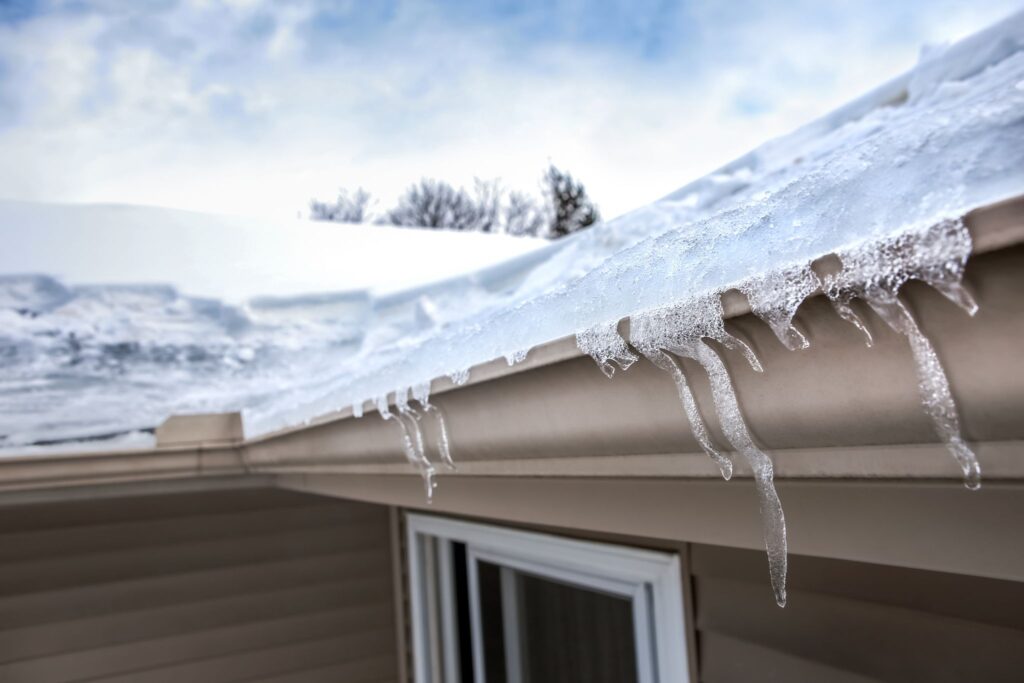
Ice dams are one result. According to the University of Minnesota Extension, ice dams form when the upper roof is above 32 degrees while the eaves remain below freezing, mostly because heat escapes from the house.
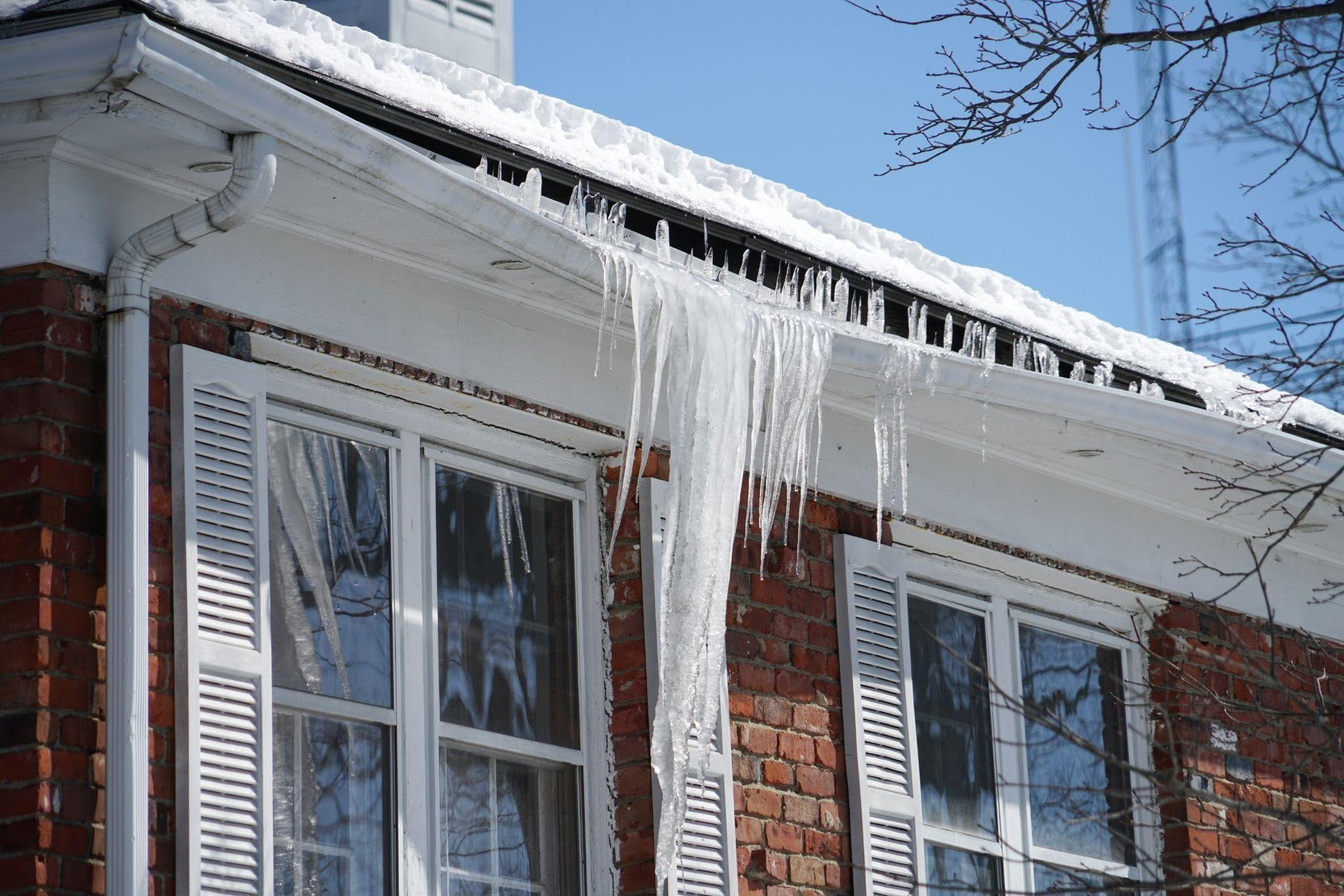
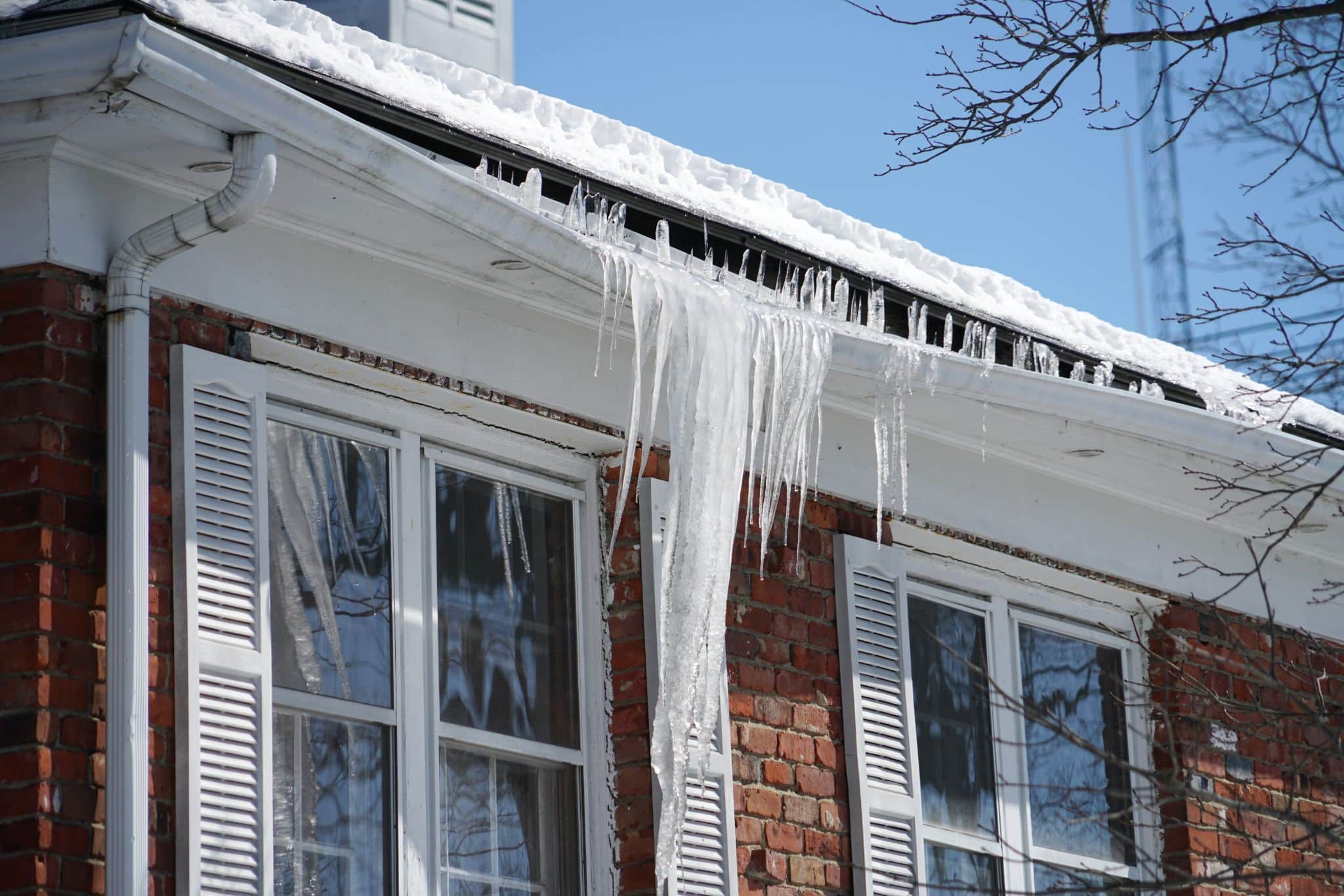
Gutters take a beating, too. Icicles on gutters are often the first visible sign of trouble. Ice in gutters adds weight at the roof edge, where support is weakest. Over time, that load splits seams and pulls sections off the fascia. That gutter damage directs meltwater toward the foundation rather than away from it.
What freeze-thaw damage looks like over one week
Picture a home in Park City after a foot of fresh snow. On Monday afternoon, sun and attic heat melt the snow on the upper roof. The water runs down to the eaves over the cold overhang and refreezes there by evening. By Wednesday, a ridge of ice lines the roof edge, and icicles hang from the gutters.
Each afternoon, more meltwater pools behind that ridge. With nowhere to drain, it works its way under the shingles and drips onto the roof decking. The homeowner notices nothing until Saturday, when a faint stain appears on a bedroom ceiling near an exterior wall.
By then, the insulation above it is wet, and the gutter has begun to pull away from the fascia.
Spotting that ice ridge on Wednesday would have meant a smaller repair. Waiting until the stain appeared turned it into a drying and restoration job.
How to check your roof and gutters after a freeze
Stay off an icy roof. You can perform each of these steps on the ground or in the attic.
- Look for icicles on the gutters and thick ice along the eaves.
- Check for sagging sections or gaps at the fascia.
- Watch where meltwater lands during the next thaw.
- Inspect the attic sheathing and insulation for frost or damp spots.
- Look for ceiling stains or soft drywall near exterior walls.
- Photograph everything for insurance, and call a professional if water got inside.
Why early action protects your home and wallet
Catching gutter damage early keeps a small repair from becoming a restoration project. Acting fast helps with the following:
- Stopping water before it soaks insulation
- Lowering the risk of mold growth that may call for professional mold removal
- Keeping gutters draining away from the foundation
- Protecting the roof decking at the eaves from rot
- Documenting roof damage from snow while it’s fresh for an insurance claim
Common mistakes homeowners make with frozen gutters
When ice builds up, it’s tempting to get rid of it fast. These common fixes often do more harm than the ice itself.
- Chopping or chipping ice off the roof, which NDSU Extension warns against
- Using a torch or open flame to thaw frozen gutters
- Spreading rock salt that harms shingles and plants
- Ignoring a small ceiling stain until spring
- Packing attic insulation over the soffit vents, which NDSU Extension recommends keeping open with baffles
If ice is already backing up at the eaves, use a roof rake from the ground and call a professional.
What the data says about roof damage from snow and ice
Insurance data shows how costly water damage gets:
- Water damage and freezing claims averaged $15,400 per claim from 2019 to 2023, according to the Insurance Information Institute.
- Weather-related water claim severity rose 29.6% from 2023 to 2024, according to the LexisNexis U.S. Home Insurance Trends Report.
A slow drip from frozen gutters falls into these categories, and costs climb once water reaches walls.
Tools and upgrades that reduce winter roof damage
- Air sealing and added attic insulation
- Soffit-to-ridge ventilation with baffles
- A roof rake, used from the ground, to pull snow off low eaves
- Heated cables at the eaves and in gutters, as one option for trouble spots
- Properly sized, securely fastened gutters with downspout extensions
For anything beyond DIY, Black Diamond’s storm damage restoration team handles the rest.
FAQ
What does a freeze-thaw cycle do to a roof?
Each cycle lets meltwater seep into shingle seams and flashing gaps, where it then freezes overnight. Ice expands as it forms, so every freeze-thaw cycle widens those openings a little more. Over the winter, the gaps can grow into roof leaks that show up as damp spots in the attic or stains on the ceiling.
Are icicles on gutters a sign of a problem?
A few small icicles are common. Large icicles on gutters, or ice in gutters that never melts, usually mean meltwater is refreezing at the roof edge. That ice pulls on the hangers, so check the gutters and the attic below for moisture and loose brackets.
How do I know if frozen gutters damaged my home?
Look for gutters that sag away from the fascia, water stains on the siding, damp spots in the attic, and stains on ceilings near exterior walls. Water pooling at the foundation after a thaw also means frozen gutters aren’t draining.
Why are winter roof leaks worse at higher elevations?
Mountain towns get more snow and bigger day-night temperature swings. Strong winter sun melts roof snow in the afternoon, and the cold night refreezes it. Each extra cycle gives water another chance to work under shingles.
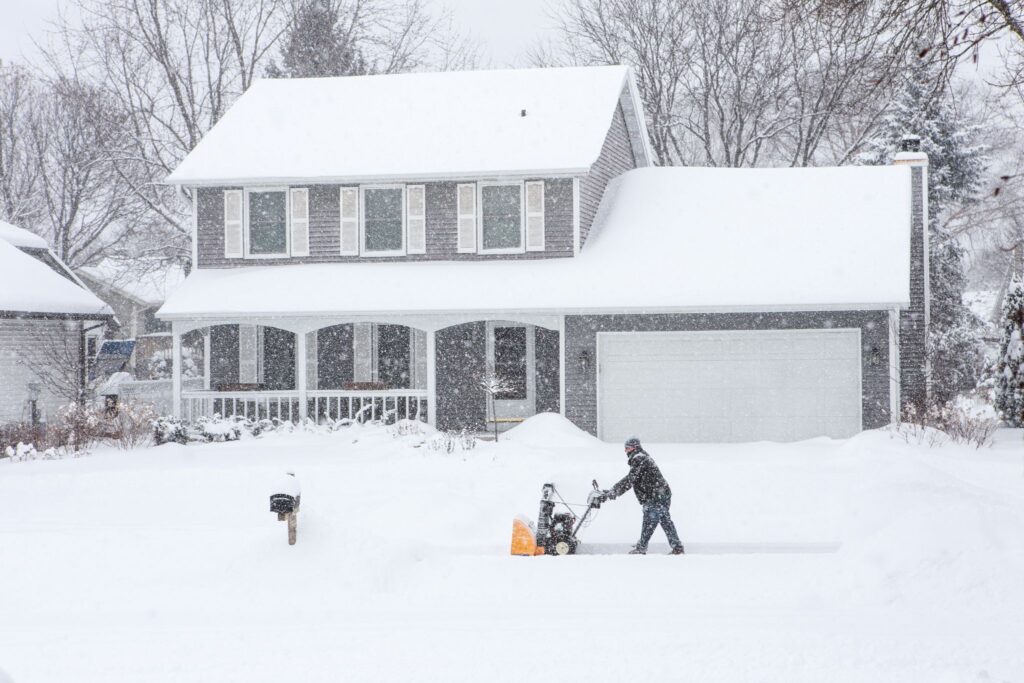
Utah’s high-elevation winters and your roof
Black Diamond serves Salt Lake City, Park City, Ogden, Lehi, Draper, and other Wasatch Front communities. Bench and mountain homes get more snow and sharper day-night swings than the valley floor, so roof damage from snow and ice builds faster at altitude.
Protect your home before the next thaw with Black Diamond Restoration
Small ice problems turn into hidden water damage fast. A loose gutter or a spreading stain usually means water has already reached places you don’t see. If freeze-thaw damage has let water into your home, contact Black Diamond for an inspection and water-damage cleanup before the next thaw worsens the problem.